The numbers
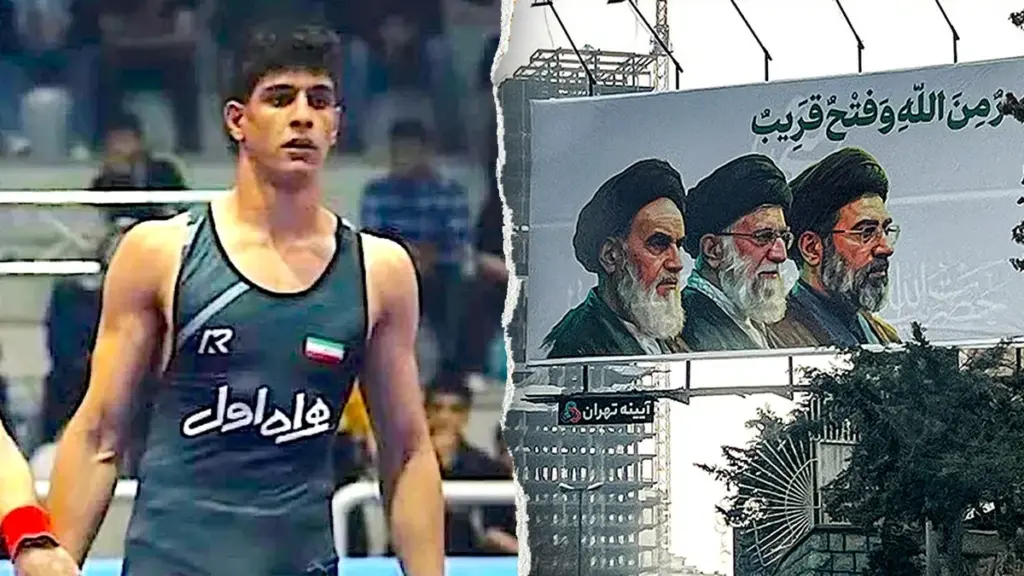
On March 19, 2026, Saleh Mohammadi was executed by hanging in Qom, Iran, at the tender age of 19. This tragic event marks a grim chapter in the ongoing crackdown on dissent within the country, as Mohammadi was accused of killing two police officers during protests.
The execution of Mohammadi, who had previously won a bronze medal at the Saytiyev International Cup in September 2024, has drawn widespread condemnation from human rights activists and organizations. Observers note that his trial was marred by a lack of due process, with reports indicating that forced confessions were used to secure a conviction. The Iranian judiciary sentenced him to death on February 4, 2026, just weeks before his execution.
Human rights groups have described the execution as a blatant political murder, part of the Khamenei regime’s pattern of targeting athletes to crush dissent and instill fear in society. Nima Far, a prominent human rights advocate, stated, “His execution was a blatant political murder, part of the Islamic Republic’s pattern of targeting athletes to crush dissent and terrorize society.” This sentiment echoes the concerns of many who see the regime’s actions as a deliberate attempt to silence voices of opposition.
In the lead-up to his execution, reports surfaced that Mohammadi’s hands were fractured from beatings he endured while in custody. He turned 19 in prison on March 11, 2026, just days before his life was taken. The U.S. State Department expressed deep concern over his imminent execution, highlighting the international community’s growing alarm regarding human rights abuses in Iran.
Moreover, the Iranian regime has attempted to frame the actions of those executed, including Mohammadi, as being influenced by foreign powers, claiming they acted on behalf of Israel and the United States. This narrative serves to deflect criticism and justify their harsh measures against dissenters.
As the world watches, the execution of Saleh Mohammadi stands as a stark reminder of the risks faced by those who dare to speak out against the regime. The Center for Human Rights in Iran (CHRI) condemned the execution, stating, “Executing these young protesters in public, after sham trials built on torture and forced confessions, is state-sanctioned murder designed to terrorize the population and send a clear message: any act of dissent will be met with death.”
With the Iranian regime continuing its crackdown on dissent, observers are left to ponder what the future holds for those who dare to challenge the status quo. The execution of Mohammadi is not just a personal tragedy; it is a reflection of the broader struggle for human rights and freedom in Iran. Details remain unconfirmed about the regime’s next steps, but the international community is urged to remain vigilant and responsive to the ongoing situation.