Reaction from the field
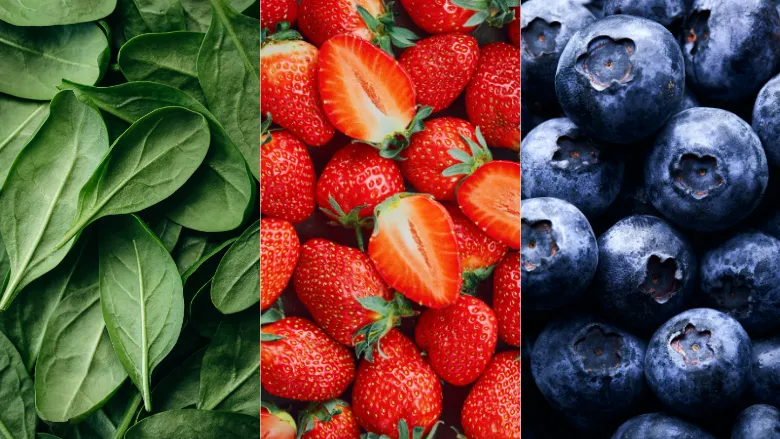
The release of the 2026 Dirty Dozen list by the Environmental Working Group (EWG) has raised significant concerns among consumers regarding the safety of their produce. This year’s list includes popular items such as spinach, kale, strawberries, and apples, all of which have been found to contain alarming levels of pesticide residues. With 203 different pesticides detected across these fruits and vegetables, it is clear that consumers have a right to know what’s on their food.
According to EWG, a staggering 96 percent of samples from the Dirty Dozen contained pesticides. This statistic highlights the pervasive nature of pesticide use in conventional farming, raising questions about the long-term health implications for consumers. Notably, PFAS pesticides, often referred to as “forever chemicals” due to their persistence in the environment, were detected in 63 percent of the Dirty Dozen samples. This raises further alarms about potential health risks associated with these substances.
Every type of produce on the Dirty Dozen list, except for potatoes, had an average of four or more pesticides detected on individual samples. This finding underscores the importance of washing and, when possible, choosing organic options for these items. As Varun Subramaniam from EWG stated, “Legal does not necessarily mean safe,” emphasizing the need for consumers to be vigilant about their food choices.
In contrast, the 2026 Clean Fifteen list, which includes items like avocados, sweet corn, and bananas, shows a more favorable picture. Almost 60 percent of samples from the Clean Fifteen had no detectable pesticide residues, providing some reassurance for consumers looking to make safer choices. However, it is worth noting that 16 percent of these samples still contained residues of two or more pesticides, indicating that not all produce is free from contamination.
Despite the concerning findings, experts like Andrea Love remind us that the benefits of consuming fruits and vegetables, both organic and conventional, outweigh the risks of pesticide exposure. “You’d need to eat hundreds of servings of each food to even hit the safety threshold,” she explains, suggesting that moderation and variety in our diets can help mitigate potential risks.
As the conversation around food safety continues, consumers are encouraged to stay informed and make choices that align with their health priorities. The EWG’s annual lists serve as a valuable resource for those looking to navigate the complexities of pesticide residues in produce.
Details remain unconfirmed about any potential regulatory changes that might arise from these findings, but the ongoing dialogue about food safety and consumer rights is likely to influence future agricultural practices and policies. As awareness grows, communities are urged to advocate for transparency in food production and to support local farmers who prioritize sustainable practices.