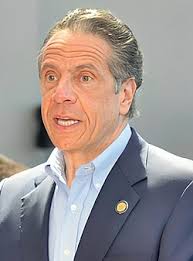
Introduction
Andrew Cuomo, the former Governor of New York, has been a significant figure in American politics. His rise and fall encapsulate both the potential and pitfalls of leadership in turbulent times. His recent legal troubles and allegations of misconduct have raised questions about his legacy and the future of his political career, making it essential to assess his impact on New York and national politics.
Political Career Overview
Andrew Cuomo began his political career in the 1980s and served as the Assistant Secretary for Community Planning and Development in the U.S. Department of Housing and Urban Development. He became the Attorney General of New York in 2007, where he gained prominence by fighting public corruption and consumer fraud. Cuomo was elected Governor of New York in 2010, and he was re-elected in 2014 and 2018, making significant strides in areas like healthcare, minimum wage increases, and criminal justice reform.
Controversies and Resignation
Despite many policy achievements, Cuomo’s tenure has not been without controversy. In 2020, his handling of the COVID-19 pandemic was met with both praise and criticism. While his daily briefings were widely viewed as effective communication, his administration faced scrutiny over nursing home fatalities. In early 2021, multiple women accused him of sexual harassment, leading to an investigation by the New York Attorney General. Facing mounting pressure, Cuomo announced his resignation on August 10, 2021, effective two weeks later.
Current Status and Impact
After resigning, Cuomo has remained largely out of the public eye but continues to influence discussions about political accountability and leadership. His legal battles surrounding the harassment allegations and the potential for criminal charges could have implications for both his personal future and how political figures are held accountable. Some observers speculate if he might make a political comeback, while others believe the controversies have irreparably tarnished his reputation.
Conclusion
Andrew Cuomo’s trajectory serves as a cautionary tale about the challenges of leadership. His substantial contributions to New York’s policy landscape are overshadowed by serious allegations that marred his career. The future will determine whether his legacy can be rehabilitated and what lessons can be drawn from his experiences. As political landscapes continue to evolve, Cuomo’s story remains a pivotal chapter in understanding the complexities of governance and accountability in the modern political era.