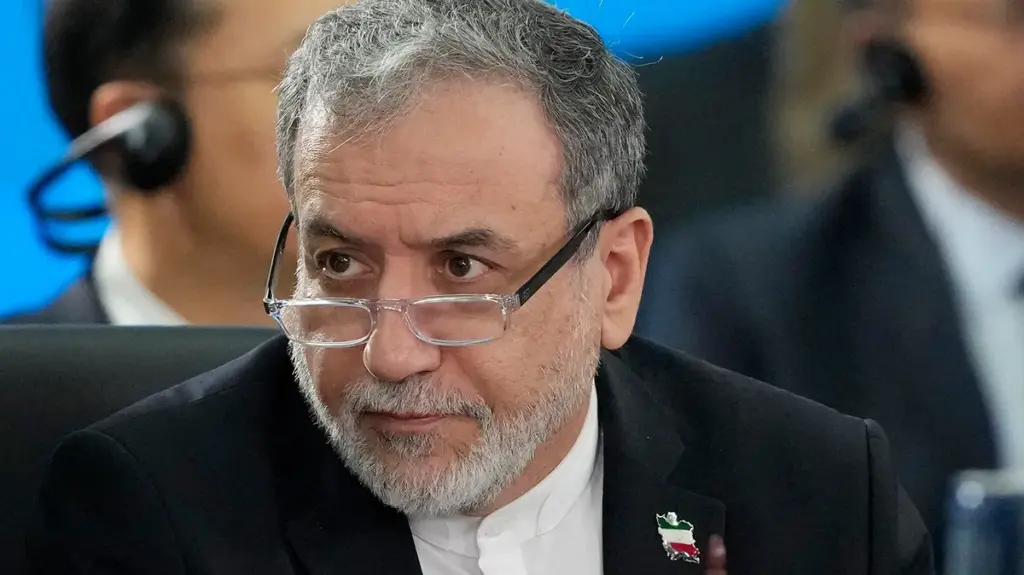
“The Pentagon is lying. Netanyahu’s gamble has directly cost America $100 billion so far, four times what is claimed,” said Abbas Araghchi, a senior Iranian diplomat, highlighting the growing tension in U.S.-Iran relations.
Araghchi’s statement comes amid ongoing discussions surrounding the financial implications of the conflict that began on February 28, 2026. The U.S. Department of Defense estimates the cost at only $25 billion, a figure that many in Iran find misleading.
Each American household, according to Araghchi, carries a monthly burden of around $500 due to this conflict. He remarked, “Israel comes first, and the United States always follows,” suggesting that U.S. military spending may be influenced by its alliance with Israel.
The conflict has resulted in significant casualties; reports indicate that 13 U.S. troops have died and around 400 have been injured. The Iranian leadership faces mounting pressure as they consider whether to remove Araghchi from his position due to his controversial statements and alleged ties to the Revolutionary Guard chief Ahmad Vahidi.
Key facts about the ongoing conflict:
- The war commenced on February 28, 2026, with a ceasefire announced on April 8, 2026.
- The total death toll from the conflict is estimated at around 3,000.
- The Iranian president has expressed frustration over the political deadlock caused by the war.
Gholamhossein Mohseni Ejei echoed similar sentiments by stating, “The U.S. gained nothing from the military campaign.” This reflects a broader narrative within Iran questioning the effectiveness of U.S. military intervention.
The situation continues to evolve as both nations navigate these complex dynamics, with ceasefire negotiations remaining a critical point of discussion.