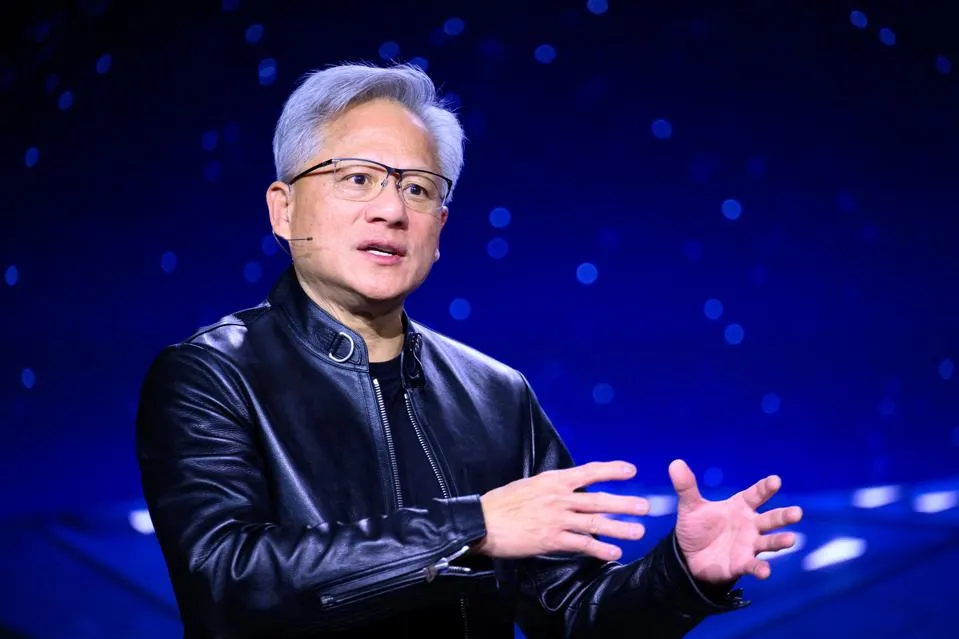
In a bold declaration, Nvidia CEO Jensen Huang has stated that Artificial General Intelligence (AGI) has been achieved, a claim that could reshape the landscape of technology and its impact on society. Huang’s remarks, made during a recent appearance on Lex Fridman’s podcast, suggest that we may be on the brink of a new era where AI could run full-fledged companies and make strategic decisions typically reserved for humans.
Huang confidently asserted, “I think it’s now. I think we’ve achieved AGI,” highlighting the potential for AI agents to operate autonomously on platforms like OpenClaw, which is designed to function on behalf of users. This development raises significant questions about the future of work and the role of human oversight in organizational decision-making.
While Huang’s optimism is noteworthy, he tempered his enthusiasm by stating that the odds of AI agents “building Nvidia is 0%.” This acknowledgment reflects a cautious approach to the capabilities of AGI, emphasizing that while the technology has advanced, there are still limitations to its application.
Sam Altman, CEO of OpenAI, echoed Huang’s sentiments, claiming that they have built AGI or are very close to it. However, contrasting voices in the industry, such as Microsoft CEO Satya Nadella, argue that we are not yet anywhere near achieving AGI, highlighting the ongoing debate within the tech community.
Critics have raised concerns about the potential harms of AGI, particularly regarding public health and job displacement. As AI continues to evolve, these worries underscore the need for careful consideration of its societal implications.
The loose definition surrounding AGI complicates the ability to establish a reliable timeline for its widespread use. As discussions unfold, the community remains divided on the actual state of AGI and its readiness for real-world applications.
As the conversation around AGI progresses, further developments are anticipated. Stakeholders are keenly watching how these advancements will influence various sectors and the ethical considerations that accompany them.
Details remain unconfirmed regarding the full capabilities and limitations of AGI as defined by industry leaders. The future of this technology remains uncertain, but its potential impact on our daily lives is undeniable.