Introduction to Benin Country
Benin, located in West Africa, is a country brimming with history, culture, and biodiversity. It has emerged as a crucial destination for travelers and scholars interested in African heritage and economic development. Renowned for its vibrant culture and historical significance, especially concerning the ancient Kingdom of Dahomey, and its pivotal role in the transatlantic slave trade, understanding Benin is essential to appreciating West Africa’s complex past and bright future.
Geography and Demographics
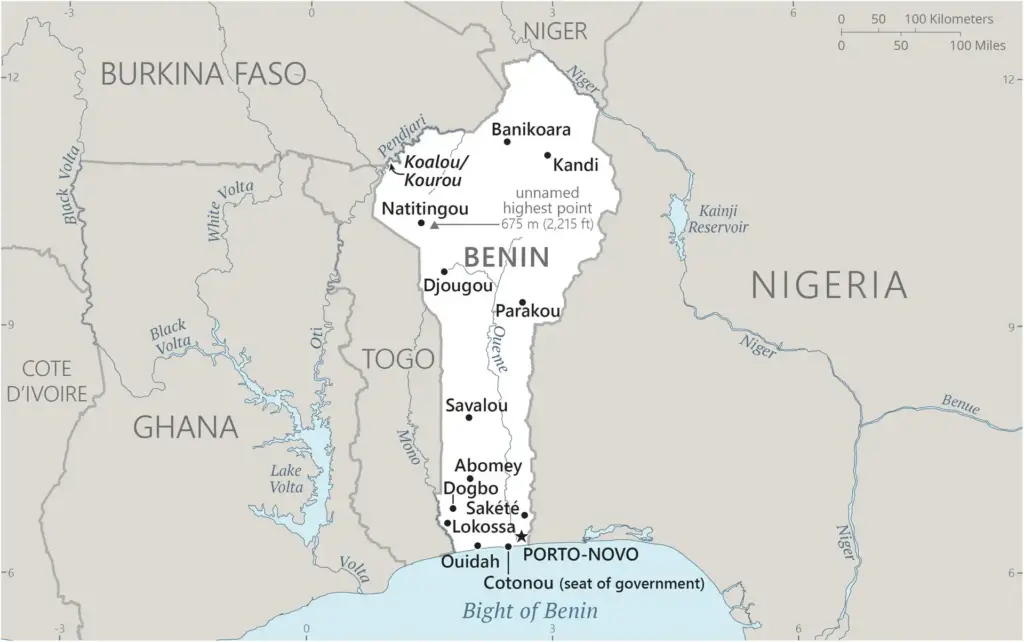
Benin is bordered by Togo to the west, Nigeria to the east, and Burkina Faso and Niger to the north. The country boasts a diverse topography, from the coastal plains of Cotonou to the savanna regions in the north. The capital city, Porto-Novo, is a bustling hub, while Cotonou is the largest city and the main economic center. The country’s population is approximately 12 million, with a mosaic of ethnic groups, primarily Fon, Yoruba, and Bariba, contributing to its rich cultural tapestry.
Economy and Development
Historically reliant on agriculture, particularly cotton production, the economy of Benin is gradually diversifying. Recent reports highlight an increase in investment in sectors such as telecommunications, tourism, and renewables. The government has made strides toward improving infrastructure and attracting foreign investment, recognizing its potential to enhance economic growth. However, challenges remain, including poverty and access to education, which the government is actively working to address.
Cultural Heritage and Tourism
Benin’s cultural heritage is one of its most significant attractions. The annual Voodoo Festival, celebrated in Ouidah, draws tourists and locals alike, showcasing the spiritual practices that are central to the nation’s identity. The site of the Royal Palaces of Abomey, a UNESCO World Heritage site, offers insights into the historical Kingdom of Dahomey, known for its strong female warriors, the Amazons. As global interest in cultural tourism grows, Benin positions itself uniquely with its rich traditions and festivals.
Conclusion
As Benin continues to evolve, balancing modernization with the preservation of its unique cultural identity, it presents a valuable case study of resilience and potential in West Africa. For travelers, historians, and investors alike, Benin offers a wealth of opportunities and a connection to the profound history that shaped the region. As the country steps onto the global stage, it invites everyone to discover its treasures and contribute to its promising future.