Introduction
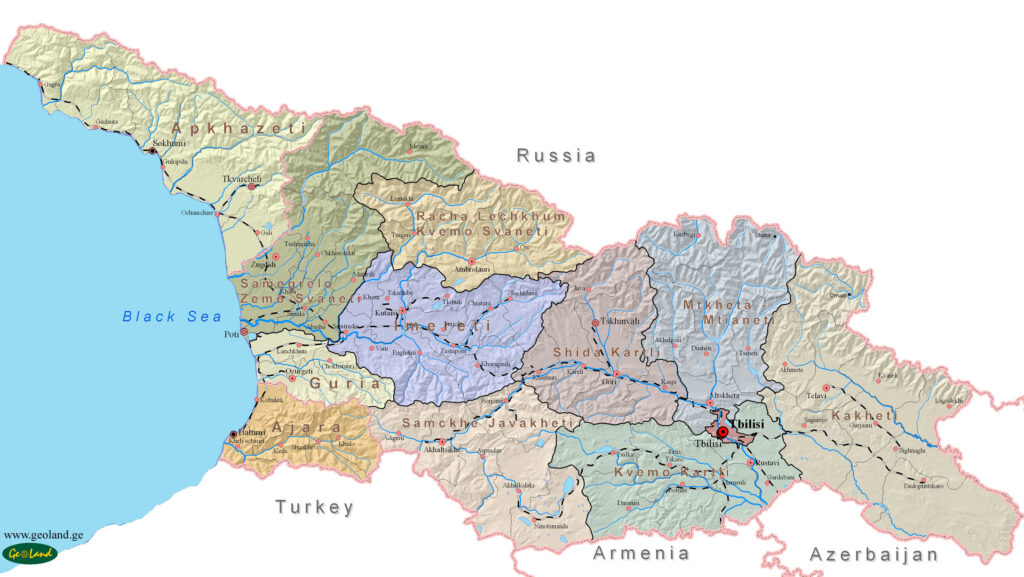
Georgia, a captivating country located at the intersection of Europe and Asia, has become increasingly significant on the global stage due to its rich history, diverse culture, and stunning natural landscapes. Nestled between the Black Sea and the Caucasus Mountains, Georgia boasts a unique blend of Eastern and Western influences, making it an intriguing destination for travelers and a focal point for cultural studies in recent years. In light of rising interest in the region, understanding Georgia’s heritage and contributions is particularly relevant.
The Geography and History of Georgia
Georgia is renowned for its diverse geography, ranging from the picturesque mountains to the lush vineyards found in its Kakheti region. Its strategic location has played a pivotal role in its history, serving as a crucial trade route connecting the East and West for centuries. The country has a storied past that stretches back to ancient times, with the Kingdom of Colchis (famous for the Golden Fleece in Greek mythology) and the Kingdom of Iberia influencing its early development.
Cultural Richness
Georgia is known for its vibrant cultural scene, highlighted by its traditional music and dance, delicious cuisine, and unique language—Georgian, one of the oldest living languages in the world. The Georgian alphabet is distinct, with characters that reflect their rich linguistic heritage. Festivals such as Tbilisi’s Rtveli harvest celebration showcase traditional music, dance, and the country’s renowned winemaking industry, which dates back over 8,000 years, making it one of the oldest winemaking cultures in the world.
Recent Developments and Global Significance
In recent years, Georgia has positioned itself as a key player in regional politics and economics. It has successfully attracted foreign investment, particularly in tourism, which has surged due to its natural beauty and historical sites like the ancient cave city of Uplistsikhe and the stunning architecture of Tbilisi. Furthermore, Georgia is striving for closer ties with the European Union and NATO, which underscores its importance in the geopolitics of the region.
Conclusion
As Georgia country continues to develop and modernize while preserving its rich cultural heritage, it holds significant potential for both tourism and international relations. For readers interested in exploring more about varied cultures and histories, Georgia offers a compelling narrative of resilience, beauty, and unique traditions. Understanding this small yet remarkable country enhances appreciation for the diversity that characterizes our world.