Introduction
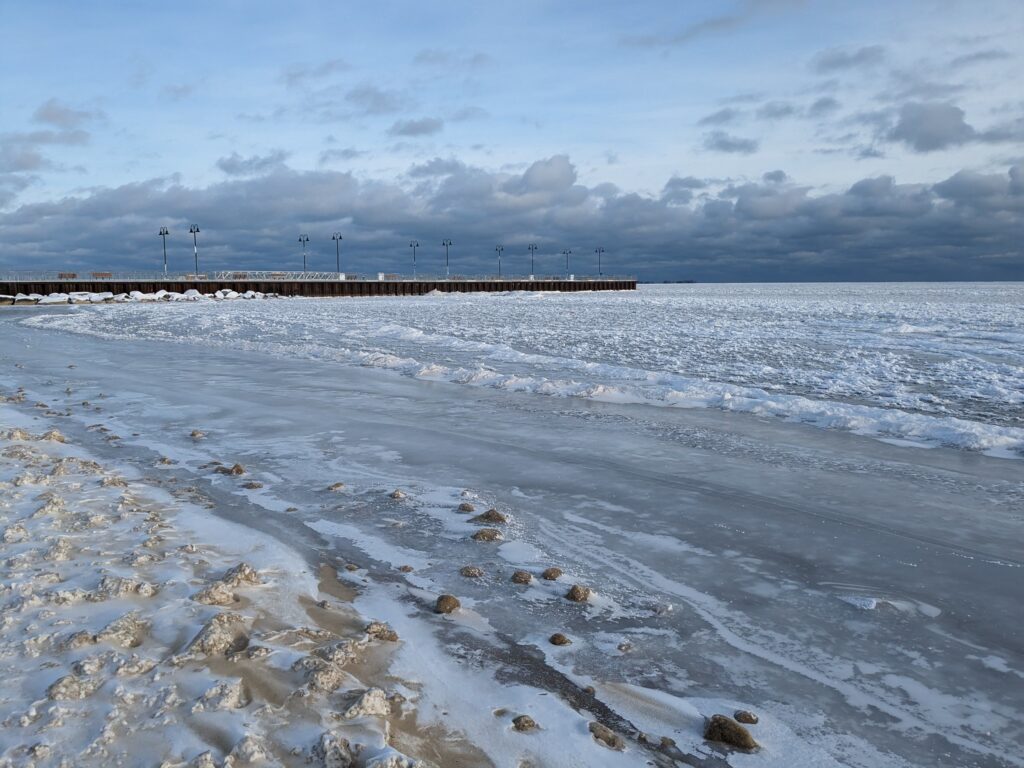
The Great Lakes are a vital natural resource for both the environment and the economy, spanning across a significant region of North America. As climate change continues to impact weather patterns, understanding ice coverage in the Great Lakes has become increasingly important. This phenomenon affects shipping, ecology, and local climates, making the anticipated ice coverage in 2026 a topic of great significance.
Current Trends in Ice Coverage
Historically, the Great Lakes have experienced varying degrees of ice coverage influenced by seasonal temperatures. Data from the Great Lakes Environmental Research Laboratory shows that ice coverage has generally declined over the past few decades. This decrease can be attributed to rising air temperatures, with winter temperatures in the region increasing by more than 4°F since the 1970s. Furthermore, the trend has shown significant fluctuations yearly, with some winters seeing minimal ice coverage while others have more substantial freezing.
Climate Models and Predictions for 2026
Recent climate models forecast a continuation of these trends, with projections showing that ice coverage in the Great Lakes for the winter of 2026 may be less than that observed in previous decades. According to scientists at the National Oceanic and Atmospheric Administration (NOAA), lower ice coverage could affect local ecosystems as it influences water temperatures, fish spawning, and the overall health of aquatic habitats.
The projected absence of significant ice coverage will likely also impact shipping routes. The Great Lakes serve as a critical transportation network for bulk commodities, including iron ore and grain. A decrease in ice coverage may lead to an extended shipping season, increasing commercial traffic in the region but possibly leading to overcrowding and safety concerns.
Conclusions and Implications
In conclusion, the anticipated ice coverage of the Great Lakes in 2026 poses critical questions for its environmental and economic future. The ongoing climate changes require a proactive approach to address potential impacts on ecosystems, the shipping industry, and local communities. It is essential for policymakers, researchers, and the public to monitor these trends and implement strategies that mitigate negative effects, ensuring the Great Lakes continue to thrive as an essential resource for future generations.