What the data shows
As artificial intelligence continues to evolve, a pressing question emerges: How are these advancements impacting consumer safety? The answer is concerning—AI-powered imposter scams are on the rise, utilizing advanced tools to mimic a person’s voice, image, or behavior with alarming accuracy.
KeyBank has issued a warning to consumers about the dangers of AI-driven scams that can replicate voices and create deepfake videos. These scams have long been a problem, but the sophistication brought by AI has made them harder to spot and more emotionally manipulative. Scammers can now analyze audio samples to recreate someone’s voice, making it increasingly difficult for victims to discern the truth.
Deepfake technology allows scammers to produce realistic videos of individuals saying things they never uttered. This capability has raised significant concerns about the potential for misuse, especially as these technologies become more accessible. The emotional toll on victims can be devastating, as they may be manipulated into believing they are interacting with trusted friends or family members.
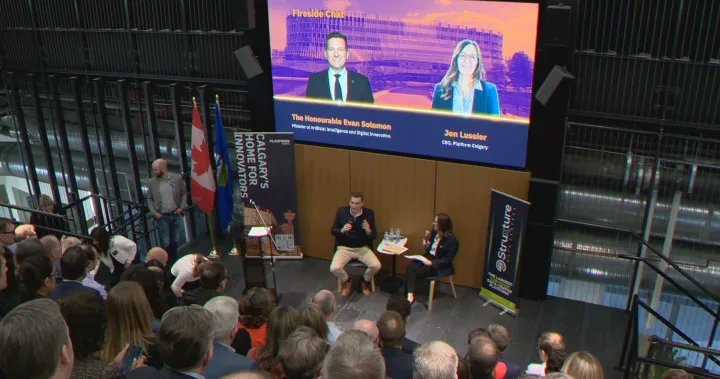
In Canada, the federal government is at a critical juncture, looking to support the burgeoning AI industry while also addressing the pressing concerns that come with it. Minister Evan Solomon emphasized the need for a balance between fostering innovation and ensuring consumer protection. “We are on a mission for ‘team yes’ to find answers,” he stated, highlighting the government’s commitment to navigating this complex landscape.
The Canadian government plans to introduce legislation aimed at protecting consumers and their data in relation to AI. This move is crucial as the landscape of technology continues to shift, and the implications of AI become more pronounced. Solomon’s remarks underscore the importance of being open to the opportunities presented by AI while remaining candid about the associated risks.
In the legal sector, companies like Clio are leveraging AI to transform their operations. CEO Jack Newton believes that AI represents a transformative moment for the company, leading to significant acquisitions and advancements. Clio’s extensive data related to practice areas and case law positions it uniquely in the market, raising investor concerns about competition from major AI developers affecting SaaS companies.
Newton remarked, “The next few years are going to be defined by who can win at bringing maximum context to the table for lawyers.” This statement reflects the competitive nature of the industry as firms strive to harness AI’s potential while navigating the complexities it introduces.
As the landscape of artificial intelligence continues to evolve, the implications for consumers and businesses alike remain uncertain. While the potential for innovation is vast, the risks associated with AI-driven scams and deepfakes cannot be overlooked. Details remain unconfirmed regarding the full extent of these challenges, but one thing is clear: vigilance and proactive measures will be essential in safeguarding against the darker side of this technological revolution.