What the data shows
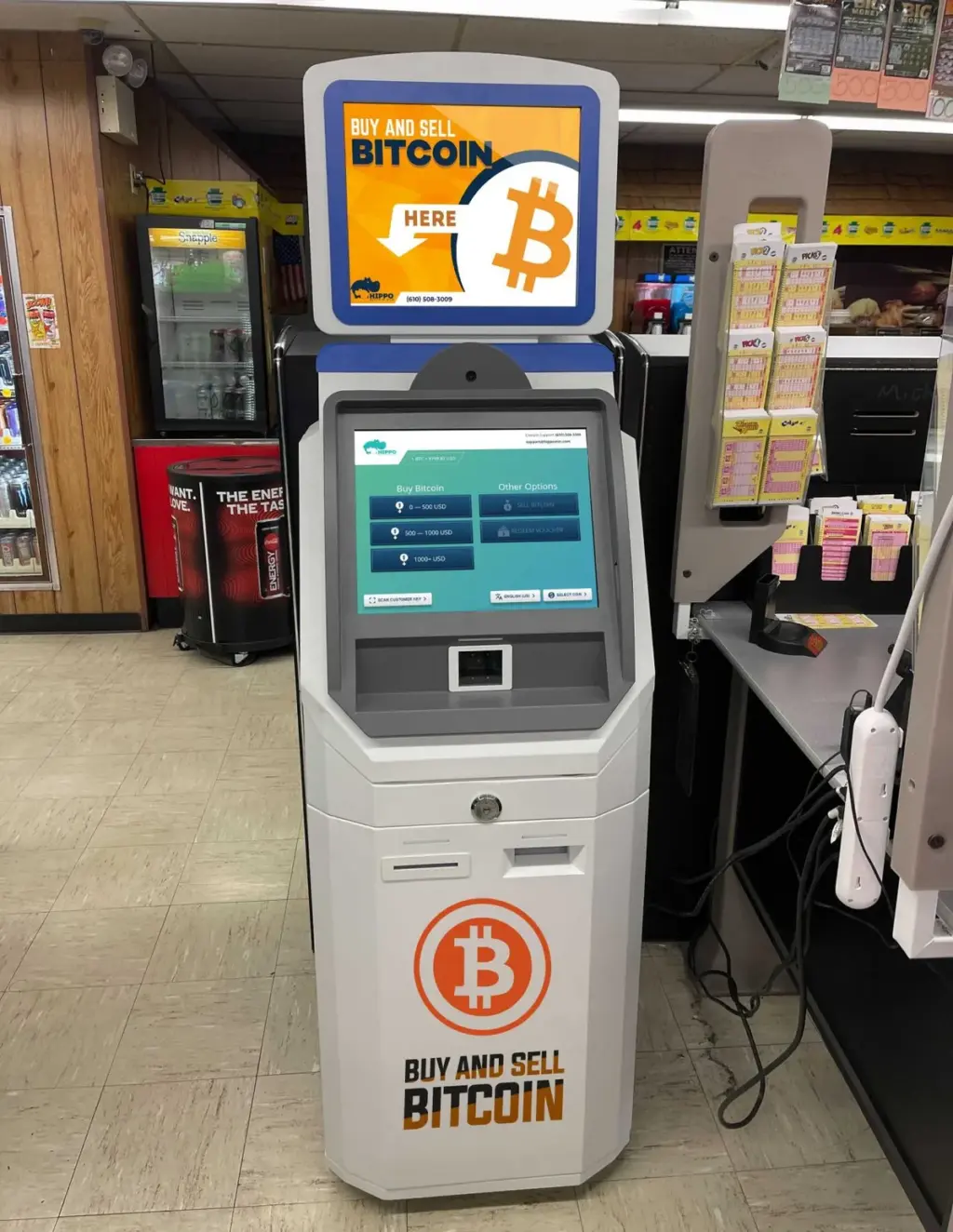
What does the recent legislative action in Indiana regarding bitcoin ATMs signify for the future of cryptocurrency transactions? Indiana has become the first state to ban cryptocurrency ATMs and kiosks, a significant move in response to the increasing prevalence of scams associated with these machines.
According to reports, the FBI documented losses of $333 million in 2025 from crypto ATM scams, highlighting the urgent need for regulatory measures. In Arizona, where House Bill 2387 has been introduced, daily transaction limits have been set for bitcoin ATMs at $2,000 for new customers and $10,500 for existing customers. This legislative action comes after Arizona residents lost a staggering $177 million to cryptocurrency fraud in 2024.
The rise in scams has been alarming, with police in various regions, including eastern Ontario, reporting over 300 crypto ATMs. Scammers often exploit these machines, pressuring victims into making fast and irreversible transactions. As a Peoria Police Detective noted, “It’s the Wild West,” indicating the chaotic and unregulated nature of the current cryptocurrency landscape.
In Indiana, House Bill 1116 specifically prohibits the operation of virtual currency kiosks, empowering the attorney general to enforce this ban on operators and property owners. This legislative action aims to protect vulnerable populations, particularly seniors, from falling victim to fraudulent schemes. Republican State Rep. David Marshall stated, “What this bill is for is to protect seniors, and it’s to put on guardrails.”
Operators of cryptocurrency ATMs can charge up to 20% commission on every dollar deposited, which can lead to significant losses for users. One victim reported losing $16,000 at a bitcoin ATM, underscoring the potential financial dangers associated with these transactions. Additionally, victims have faced service fees as high as $90 to recover lost funds.
Law enforcement agencies are actively collaborating with local businesses to disseminate fraud prevention materials and messaging, aiming to educate the public about the risks associated with cryptocurrency transactions. Detective Jeff Brennan remarked, “They instill fear,” referring to the tactics used by scammers to manipulate victims into using bitcoin ATMs.
As states like Indiana and Arizona take steps to regulate or ban cryptocurrency ATMs, the future of these machines remains uncertain. While some measures have been implemented to protect consumers, the evolving nature of cryptocurrency and its associated risks continues to pose challenges for lawmakers and law enforcement alike. Details remain unconfirmed regarding the long-term impact of these legislative changes on the cryptocurrency market.