How it unfolded
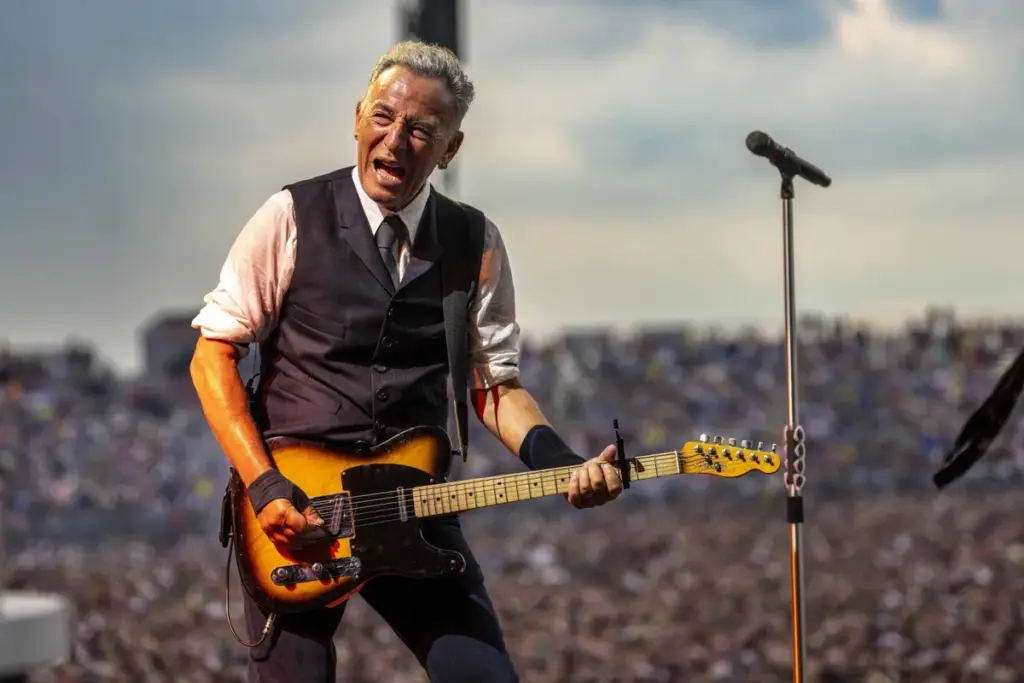
As the world gears up for Bruce Springsteen’s much-anticipated Land of Hope and Dreams American Tour, the atmosphere is charged with excitement and a hint of controversy. Just before the tour’s kickoff on April 2, 2026, Springsteen, now 76, found himself at the center of a public spat with former President Donald Trump. In a scathing post on Truth Social, Trump labeled Springsteen a “bad and very boring singer,” further criticizing his appearance and suggesting he suffered from what he termed ‘Trump Derangement Syndrome.’
This attack from Trump was met with swift support for Springsteen from the American Federation of Musicians. The presidents of two chapters of the musicians’ union issued a statement affirming Springsteen’s significance as a cultural icon and a voice for working people. They emphasized that his music has long been a symbol of American resilience, resonating with millions across the globe.
Springsteen, known for his politically charged lyrics and passionate performances, has not shied away from expressing his views on the current political climate. During the opening night of his tour in Minnesota, he condemned the Trump administration, stating, “The America that I love, the America that I’ve written about for 50 years, that’s been a beacon of hope and liberty around the world, is currently in the hands of a corrupt, incompetent, racist, reckless, and treasonous administration.” His words echoed the sentiments of many who feel marginalized in today’s political landscape.
In addition to the political tensions, the music community is mourning the loss of Tzruya ‘Suki’ Lahav, a talented violinist who recorded and toured with Springsteen. Lahav, who passed away at the age of 74, was a prominent figure in Israeli music and won the ACUM Lifetime Achievement Award. Her violin part is notably featured at the beginning of Springsteen’s iconic song “Jungleland,” a testament to her lasting impact on his music.
Springsteen’s connection to Lahav and his commitment to social issues are evident in his work. His song “Streets of Minneapolis” serves as a protest against the presence of U.S. Immigration and Customs Enforcement (ICE), highlighting his dedication to advocating for the rights of marginalized communities. The Land of Hope and Dreams tour includes 20 dates in cities that have been directly affected by ICE’s actions, further solidifying his role as a voice for the voiceless.
As Springsteen embarks on this tour, he carries the weight of both criticism and support. His music has been a rallying cry for working people, and his performances often serve as a reminder of the struggles many face. The ongoing dialogue surrounding his artistry and political stance is a reflection of the broader societal issues at play.
In this moment, Springsteen stands not only as a musician but as a cultural figure who embodies the resilience and spirit of America. His ability to connect with audiences through his lyrics and performances continues to inspire hope and solidarity among fans. As the tour unfolds, it will be interesting to see how these themes resonate with audiences across the nation.