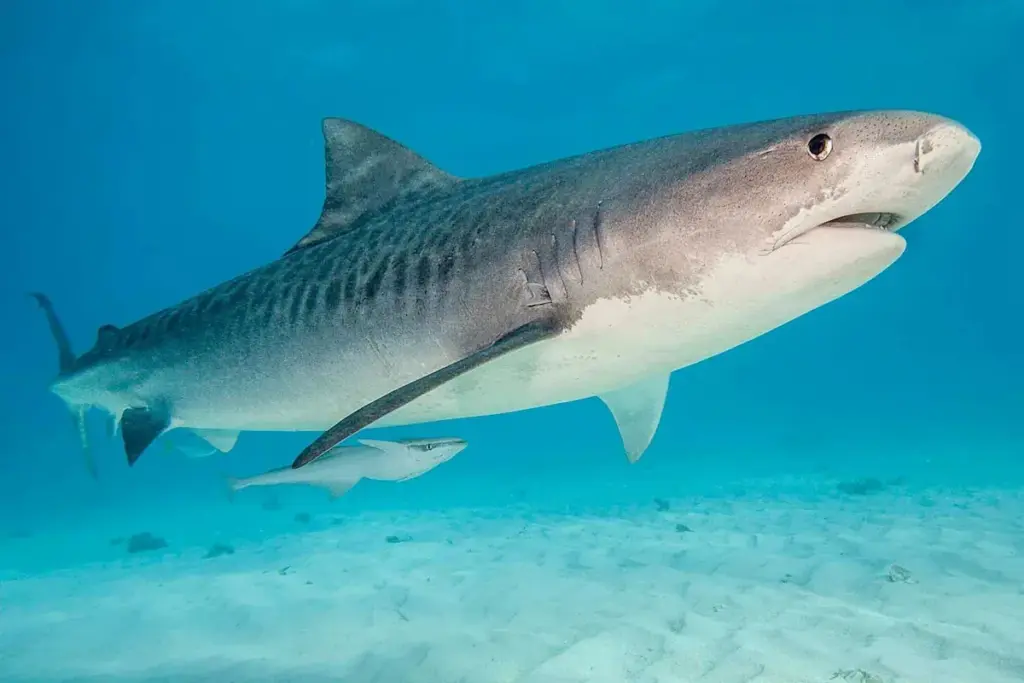
In a remarkable study conducted near Eleuthera Island in the Bahamas, researchers have discovered that sharks are testing positive for caffeine, among other substances. This finding sets the stage for a deeper understanding of how human pollution is affecting marine ecosystems.
Just recently, scientists analyzed blood samples from 85 sharks, revealing that nearly a third of them had traces of caffeine and cocaine. This alarming statistic underscores the extent of contamination in these waters, which are often considered remote and pristine.
Natascha Wosnick, a key researcher in the study, noted, “This represents the first report concerning CECs and potentially associated physiological responses in sharks from the Bahamas.” Her comments highlight the significance of this research in understanding the broader implications of contaminants in marine life.
The presence of caffeine in sharks is particularly concerning due to its physiological effects. Caffeine is known to cause hyperglycemia, lactate accumulation, and disruptions in lipid metabolism. Furthermore, cortisol levels can rise by twenty to fifty percent after caffeine consumption, which could have long-term effects on shark health and behavior.
Wosnick also emphasized the need for further research, stating, “Understanding how these contaminants affect shark physiology and long-term population health becomes paramount.” This call to action reflects the urgent need to address pollution in our oceans.
Interestingly, caffeine’s effects are not limited to sharks. Studies on fruit flies have shown that caffeine can make individuals more impulsive, particularly when consumed at night. This raises questions about the broader implications of caffeine consumption across species.
The findings from the Bahamas serve as a crucial reminder of the interconnectedness of human activity and marine health. As pollution continues to infiltrate even the most remote ecosystems, the need for conservation efforts becomes increasingly vital.
As the research community continues to explore these findings, the hope is that they will lead to greater awareness and action regarding marine pollution. The health of our oceans is not just a concern for marine biologists but for everyone who relies on these ecosystems.
Details remain unconfirmed regarding the full impact of these contaminants on shark populations, but the initial findings are a clear signal that more attention is needed.
In conclusion, the discovery of caffeine in sharks in the Bahamas opens up a new chapter in understanding the effects of human pollution on marine life. It is a call to action for communities and policymakers alike to prioritize the health of our oceans.