Prior Expectations
In recent years, California has been relatively insulated from direct threats of foreign attacks, with security measures focused primarily on domestic issues. The state’s law enforcement agencies have maintained a vigilant stance against terrorism, but the prevailing sentiment was that the West Coast was not a primary target for international aggression. This perception was largely based on the absence of credible threats and the effectiveness of ongoing counter-terrorism efforts.
Decisive Changes
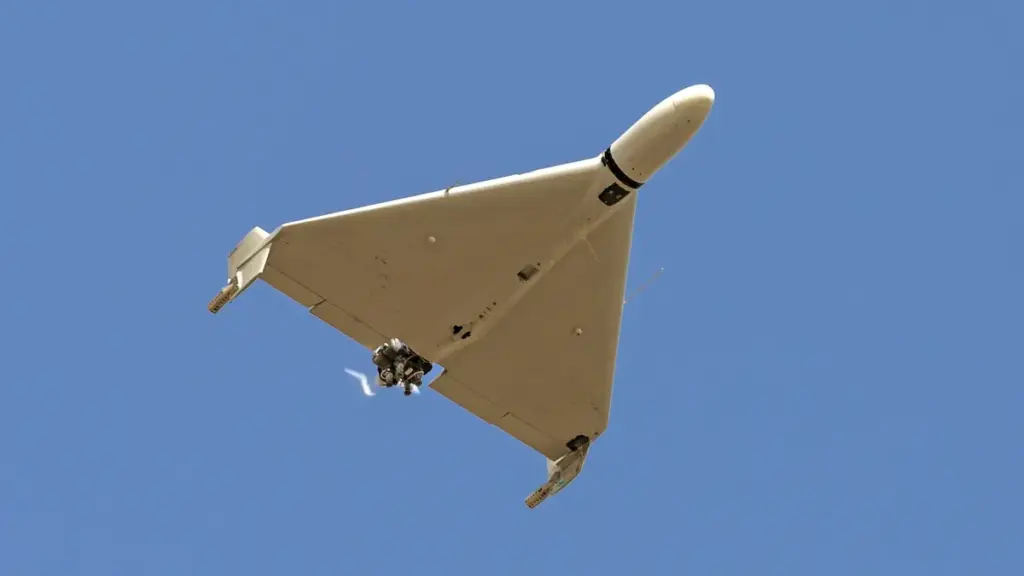
However, a significant shift occurred when the FBI issued a warning on February 1, 2026, alerting California police departments about a potential drone threat from Iran. This warning was based on intelligence suggesting that Iran might retaliate for American military actions by launching drones at the West Coast. The alert indicated that Iran allegedly aspired to conduct a surprise attack using unmanned aerial vehicles (UAVs) from an unidentified vessel off the coast of the United States. While officials stressed that there is no confirmed or imminent threat to California, the memo was circulated to Joint Terrorism Task Force partners across the state as a precautionary measure.
Immediate Effects
The immediate response from California’s Governor’s Office of Emergency Services has been proactive. Officials are working closely with security agencies to enhance protective measures for communities. The LA Sheriff’s Department has also heightened its readiness level in light of these developments. Gavin Newsom, the Governor of California, noted that drone issues have been a priority, leading to the formation of work groups specifically focused on these concerns. This coordinated effort reflects a heightened sense of urgency among state officials to safeguard residents.
Expert Perspectives
Experts have weighed in on the implications of the FBI’s warning, emphasizing that while the threat is taken seriously, executing a successful strike against the U.S. mainland would be difficult and risky for a foreign actor like Iran. A source familiar with the memo stated, “The warning was cautionary and there was no indication Iran was planning an attack or that it could successfully launch one.” This perspective suggests that while the threat is real, it may not be as immediate as the warning implies.
Ongoing Monitoring
The warning from the FBI reflects ongoing monitoring tied to global events, rather than evidence of an active or imminent threat. California officials have assembled work groups specifically around drone concerns, indicating a proactive approach to potential risks. A spokesperson for the Governor’s Office of Emergency Services remarked, “While we can’t discuss sensitive details, Californians should know that this kind of coordination happens every day to keep people safe.” This statement underscores the commitment of state officials to ensure public safety amidst rising tensions.
Uncertainties Ahead
Despite the heightened alert, several uncertainties remain. The exact timing, method, and target of any potential attack remain unclear, and the credibility of the intelligence behind the warning has not been confirmed. Details remain unconfirmed, leaving both officials and the public in a state of cautious vigilance.
As California navigates this new landscape of potential threats, the state’s response highlights a commitment to preparedness and public safety. The collaboration between various agencies and the emphasis on community protection reflect an understanding of the complexities involved in modern security challenges. With ongoing tensions in the region, California’s proactive measures may serve as a model for other states facing similar threats.