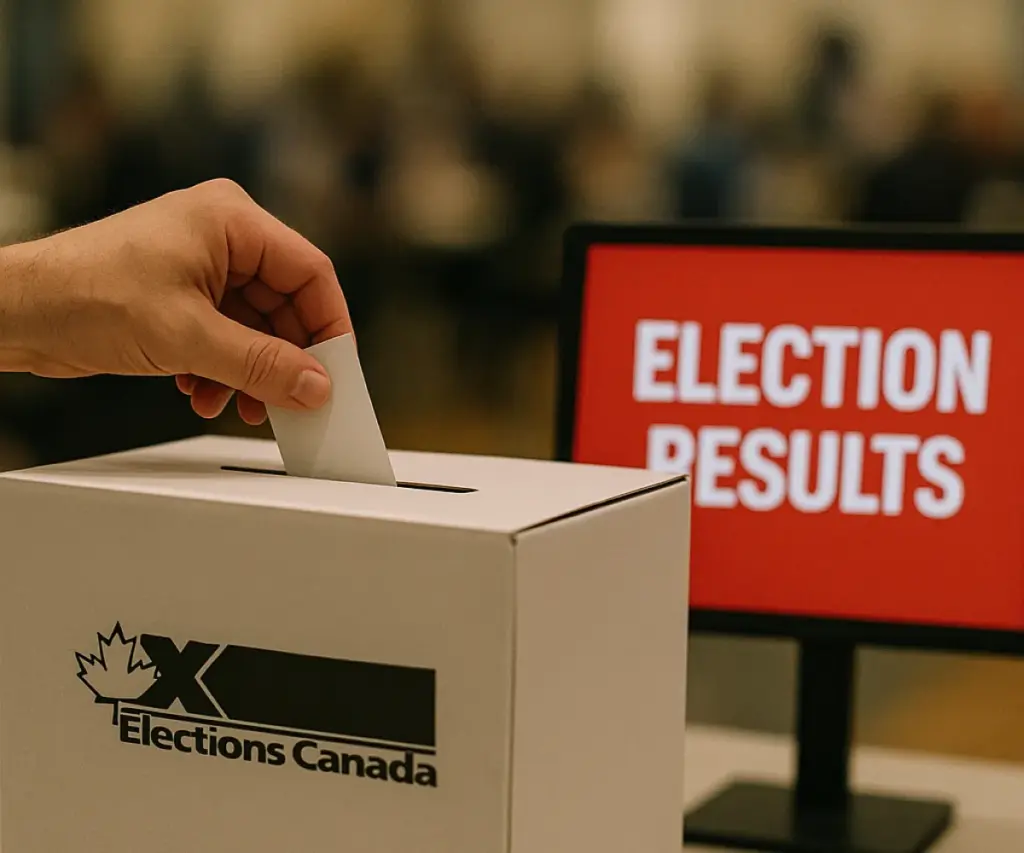
Voters in two Ontario ridings and one in Quebec are participating in federal byelections that could significantly impact the political landscape. The Liberal Party, currently holding 171 seats in the House of Commons, needs to win just one of these byelections to secure a majority government.
The Ontario ridings involved are University—Rosedale and Scarborough Southwest, while the Quebec riding is Terrebonne, a seat the Liberals narrowly won by just one vote in the spring 2025 election. However, the Supreme Court of Canada annulled that election result, making this byelection crucial for the party’s future.
If the Liberals manage to win two of the byelections, they will increase their seat count to 173; winning all three would elevate them to 174 seats. Recent polls indicate that 53 percent of Canadians desire a Liberal majority, while 47 percent oppose it, highlighting the divided sentiment among voters.
Polls will be open from 8:30 a.m. to 8:30 p.m. local time, and the results will be closely watched. Steven MacKinnon, a Liberal MP, stated, “The federal government will continue that impulse of working across party lines,” emphasizing the importance of collaboration in governance.
The byelections come on the heels of several MP departures and controversial ballot counting, further complicating the political atmosphere. The Liberals have also gained five defectors recently, including four former Conservatives and one from the New Democratic Party, which has bolstered their position.
As the polls close, observers are keenly awaiting the results, which could either solidify Mark Carney’s leadership or lead to a more complex political scenario. Just over half of Canadians want the federal Liberals to win enough seats in Monday’s byelections to give Carney a majority government, reflecting the high stakes involved.
Details remain unconfirmed as the votes are counted, but the implications of these byelections will undoubtedly shape the future of Canadian politics.