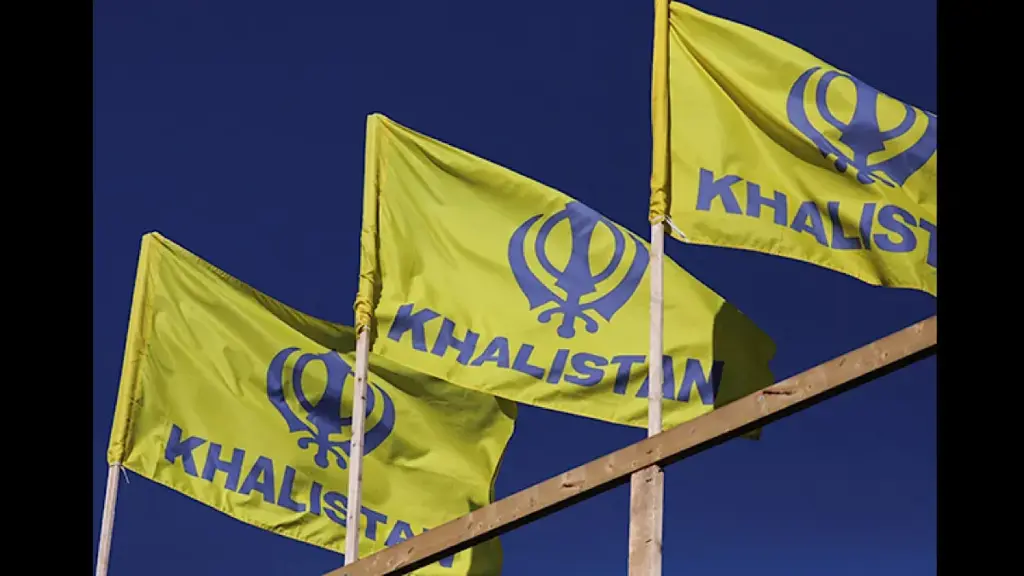
The Canadian Security Intelligence Service (CSIS) has issued a stark warning about Khalistani extremists operating within Canada. These groups continue to exploit Canadian institutions for their violent agendas, even as CSIS acknowledges the legitimacy of non-violent advocacy for the Khalistani movement.
In a report marking the 40th anniversary of the Air India Flight 182 bombing, which tragically killed 329 people, CSIS highlighted that a small but persistent network of Khalistani extremists remains active in Canada. Despite this, there were no reported attacks attributed to these groups on Canadian soil over the past year.
CSIS noted that these extremists use Canada as a base for mobilization, fundraising, and coordination. They maintain connections with Canadian citizens, which complicates the landscape of foreign interference in Canada’s political realm. The report specifically identifies China, Russia, Iran, and Pakistan as key actors involved in such foreign interference.
Officials from CSIS emphasized the difference between those who peacefully advocate for Khalistan and those engaged in violent extremism. They stated that “some Canadians participate in legitimate and peaceful campaigning to support the Khalistan separatist movement.” However, they also warned that ongoing involvement in violent extremist activities by these groups poses a national security threat.
Moreover, CSIS expressed concern regarding India’s alleged efforts to engage in transnational repression against Khalistani supporters residing in Canada. They urged that failure to respond decisively to these threats could undermine public safety and democratic integrity across the nation.
As part of their recommendations, CSIS emphasized the need for stronger measures against foreign funding to community organizations associated with these movements. The agency’s vigilance is crucial as it navigates this complex issue involving both local advocacy and international dynamics.
This situation matters not only for national security but also for communities across Canada. Many individuals strive to engage positively within their communities while advocating for their beliefs. As tensions rise globally regarding issues of sovereignty and identity, local implications become increasingly significant.
In light of these developments, Canadians are encouraged to remain vigilant about potential threats while supporting peaceful dialogues surrounding complex issues like the Khalistani movement.