Introduction
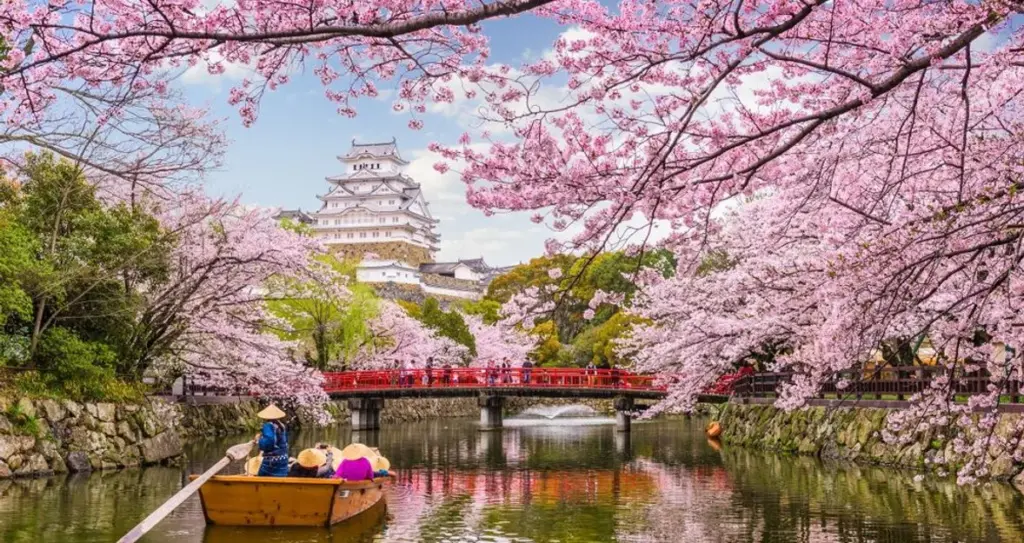
The Japan Cherry Blossom Festival, known as Hanami, is a beloved event that attracts millions of visitors from around the world. Each spring, the blossoming cherry trees create a picturesque landscape, symbolizing renewal and the fleeting beauty of nature. However, this year, the festival has been cancelled due to unprecedented circumstances, sparking concerns about the cultural and economic impacts in Japan.
Reasons for Cancellation
The 2023 Cherry Blossom Festival cancellation has been attributed to a combination of factors, including adverse weather conditions and ongoing restrictions related to the COVID-19 pandemic. Heavy rains and unseasonably low temperatures have delayed the blooming of cherry blossoms, making it difficult for organizers to ensure a vibrant festival atmosphere. Additionally, local health guidelines continue to prioritize public safety, leading to the decision to cancel gatherings and large crowds.
Cultural Impact
The cancellation of this festive event goes beyond just local celebrations; it affects a significant cultural tradition that has been observed for centuries. Hanami is not only a time for families and friends to come together to enjoy the beauty of cherry blossoms, but it also represents Japan’s deep connection with nature and the changing seasons. Festivals are an integral part of cultural heritage, and their absence can lead to a sense of loss for local communities.
Economic Consequences
Economically, the cancellation could have severe repercussions for the tourism sector in Japan. The Cherry Blossom Festival usually generates substantial revenue, supporting local businesses such as hotels, restaurants, and souvenir shops. According to a report from the Japan National Tourism Organization, tourism surrounding the cherry blossom season typically brings in over 15 billion yen. With the absence of tourists this year, many businesses are bracing for financial hardship, further compounding economic challenges post-pandemic.
Conclusion
The cancellation of the Japan Cherry Blossom Festival is a significant event that highlights the vulnerabilities of cultural traditions in the face of environmental and health challenges. As communities adapt to these changes, it is hopeful that next year will bring a return of the festival, allowing locals and visitors alike to once again experience the breathtaking beauty of cherry blossoms. For now, the importance of preserving and adapting these cultural traditions remains paramount as Japan navigates through these unprecedented times.