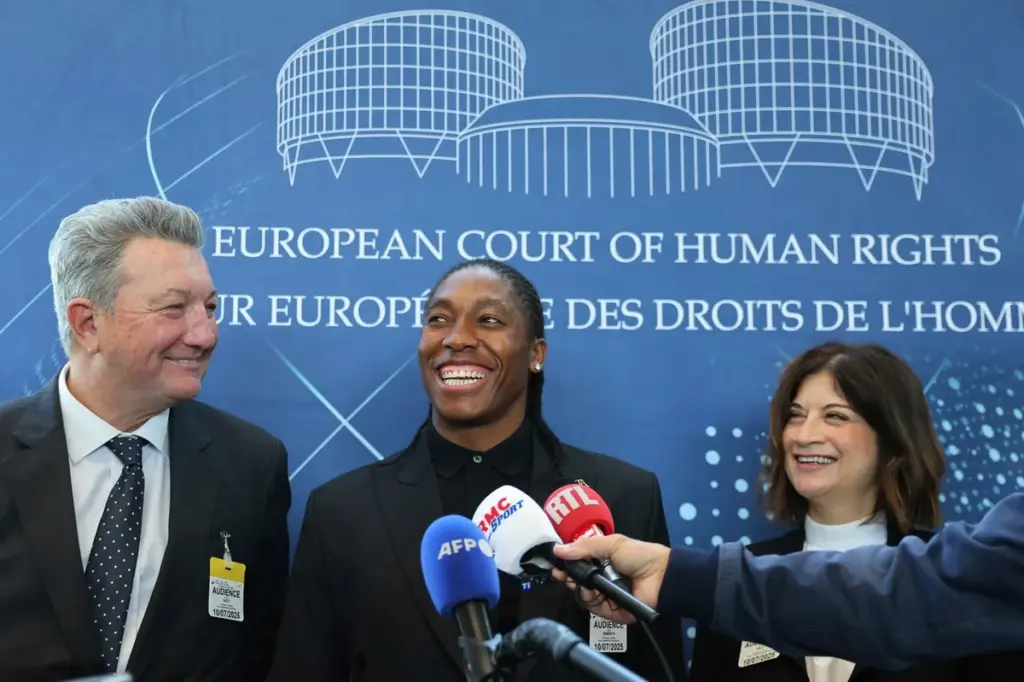
Before the recent developments, Caster Semenya was already navigating a complex landscape regarding her eligibility to compete in women’s athletics. Since 2019, she has been ineligible to participate in the women’s 800 meters due to regulations set by World Athletics concerning athletes with differences in sex development (DSD). This situation has been a source of ongoing legal challenges for Semenya, who has steadfastly refused to lower her testosterone levels to comply with these eligibility rules.
However, the landscape shifted dramatically with the International Olympic Committee’s (IOC) new policy, which bans transgender women from competing in female events at the Olympic Games. This policy also restricts female athletes like Semenya, who have DSD, further complicating her already precarious position in the sport.
The IOC’s decision is particularly significant as it applies to all Olympic events, including youth competitions, and is not retroactive, meaning it does not affect grassroots or recreational sports programs. This has raised concerns among many athletes and advocates, who fear the implications for young competitors.
According to the IOC, research indicates that being born male can confer physical advantages in sports, with performance advantages estimated to be between 10-12% in most running and swimming events and up to 100% in explosive power events. This data has fueled the IOC’s rationale behind the new policy, which aligns with broader political movements regarding women’s sports.
Despite the IOC’s consultations with over 1,000 athletes before implementing this policy, it has faced criticism for lacking a scientific basis and potentially harming young athletes. Semenya herself has voiced her discontent, stating, “It does not smell of science. It smells of stigma,” highlighting the emotional and psychological toll these regulations can impose.
As Semenya continues to advocate for her rights and the rights of other athletes, she remains a powerful voice in the conversation surrounding gender and sports. Her determination is evident as she asserts, “I will not be used as a token voice,” emphasizing the need for genuine representation and understanding in these discussions.
Details remain unconfirmed regarding the exact impact of the IOC’s policy on future competitions and the number of transgender women currently competing at an Olympic level. As the sporting world adapts to these changes, the implications for athletes like Semenya remain a focal point of concern and discussion.