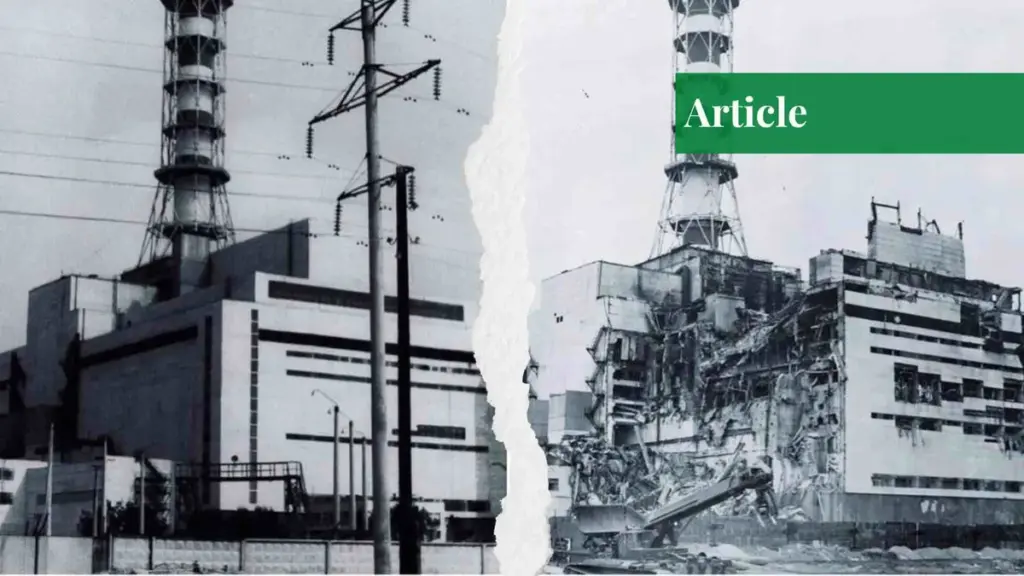
On April 26, 1986, a reactor explosion at the Chernobyl Nuclear Power Plant sent a radioactive cloud drifting across Europe. The fallout from that day continues to haunt many, especially the ‘liquidators’—the brave individuals mobilized to contain and clean up the disaster. Now, as we mark 40 years since that fateful day, some of these survivors have returned to witness firsthand what remains.
Last week, a small group of liquidators gathered in Pripyat, once home to 48,000 residents before evacuation. As they walked through the decaying structures, Oleg Kobtzeff remarked, “It’s like another planet.” His words echo the surreal nature of a place frozen in time yet forever altered by radiation contamination.
The exclusion zone surrounding Chernobyl has transformed into an unexpected sanctuary for wildlife. Przewalski’s horses roam freely among abandoned buildings, a testament to nature’s resilience. However, for those who lived through the cleanup efforts, such sights evoke mixed emotions.
Many liquidators had little understanding of the dangers they faced at the time. “You have a complete meltdown of the core of the nuclear plant,” Kobtzeff recalled. The sheer scale of their task was daunting—around 600,000 individuals were mobilized over four years to address the fallout.
Today, as survivors return to share their stories, they are not just reminiscing about their past; they are confronting an ongoing legacy. The disaster exposed severe deficiencies in Soviet political culture and secrecy that contributed to its catastrophic outcome.
The haunting memories linger as they navigate through what was once their community. Pripyat stands as a ghost town—a stark reminder of what was lost and what continues to be at stake.
As these individuals reflect on their experiences, they highlight a critical truth: Chernobyl is not just a historical event but an ongoing crisis affecting generations. The scars left by radiation contamination are not easily healed.
This anniversary serves as a poignant reminder of both human courage and vulnerability. Survivors are determined to ensure that future generations understand the risks associated with nuclear power.
In remembering Chernobyl, they emphasize that lessons must be learned from this tragedy. The next generation must carry forward this legacy—not just as history but as an urgent call for awareness and responsibility regarding nuclear energy.
Chernobyl may be silent now, but its echoes remain loud in the hearts and minds of those who lived through it.