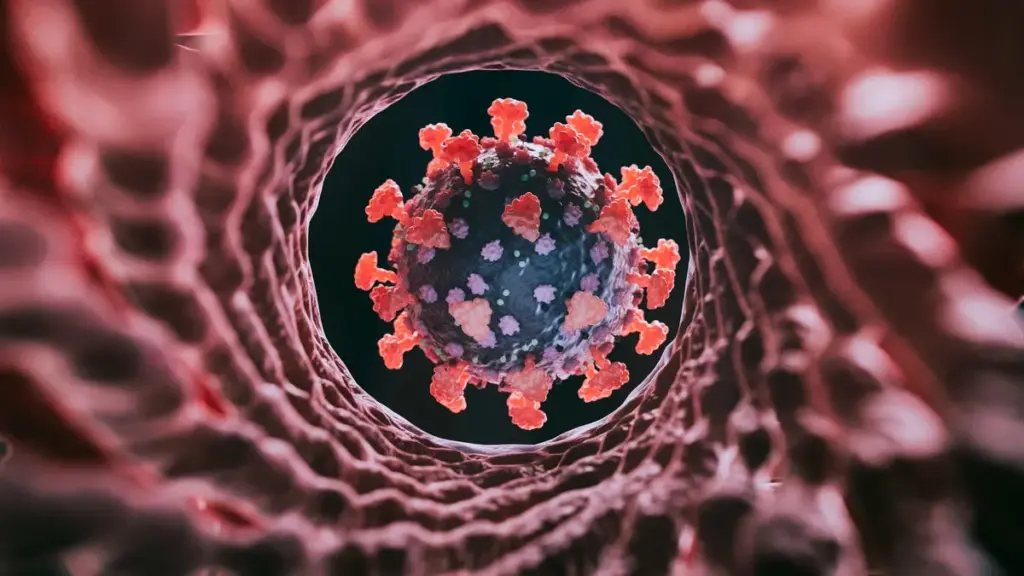
The Cicada COVID variant, officially known as BA.3.2, is becoming a significant concern as it causes rising cases in the United States and around the globe. This highly mutated variant, with 70 to 75 mutations, was first detected in a traveler arriving in the U.S. in June 2025, and the first U.S. case was diagnosed in January 2026.
As of mid-March 2026, BA.3.2 has been reported in at least 25 states and accounts for approximately 30% of COVID-19 sequences in Germany and some Northern European countries. The variant has also been detected in 3.7% of wastewater samples, indicating its spread within communities.
The World Health Organization classified BA.3.2 as a ‘variant under monitoring’ in December 2025, highlighting the need for vigilance as it spreads to at least 23 countries worldwide. Symptoms associated with Cicada are similar to those of other COVID-19 infections, which can complicate detection and response efforts.
Health experts are closely monitoring the situation. The CDC emphasizes that tracking the spread of BA.3.2 is crucial for understanding its potential to evade immunity from previous infections or vaccinations. Dr. Robert H. Hopkins, Jr. warns that low vaccination rates and insufficient public health measures could leave communities vulnerable to this variant.
Despite concerns, some experts, like Andrew Pekosz, Ph.D., suggest that while BA.3.2 appears alarming on paper, it has not yet caused a significant impact on disease severity in most areas. Vaccination remains a key tool in limiting cases, and current COVID vaccines are expected to continue providing protection against severe disease from BA.3.2.
Details remain unconfirmed regarding the variant’s potential to cause a surge in cases in the U.S., and the effectiveness of existing vaccines against BA.3.2 is still under investigation. As the situation evolves, communities are encouraged to stay informed and continue practicing health measures to protect themselves and others.