Cinco de Mayo, often mistaken for Mexican Independence Day, is a celebration rooted in a significant military victory rather than a national liberation. This holiday commemorates the Mexican army’s triumph over French forces at the Battle of Puebla in 1862.
The first American celebration of Cinco de Mayo occurred in 1862 in California, just as the U.S. was embroiled in its own Civil War. The event gained traction in the United States during the 1970s and 1980s when beer companies commercialized it, turning it into a festive occasion celebrated primarily by Mexican-Americans.
For many, Cinco de Mayo is about enjoying traditional foods and drinks. In Puebla, locals savor mole poblano, while across the U.S., people indulge in margaritas. Happy hour specials at places like BJ’s Restaurant & Brewhouse offer margaritas priced between $3 to $7, making it an accessible treat for many.
The roots of this holiday are intertwined with the Chicano Movement, which sought to reclaim cultural pride and resist oppression. David Hayes-Bautista noted that for Mexicans in the U.S., both the Civil War and the French invasion of Mexico felt like one war with two fronts.
Cinco de Mayo is not just about revelry; it began as a form of resistance against the aftermath of the Mexican-American War. Celebrations are more prominent in the U.S. than in Mexico, where September 16 marks true independence.
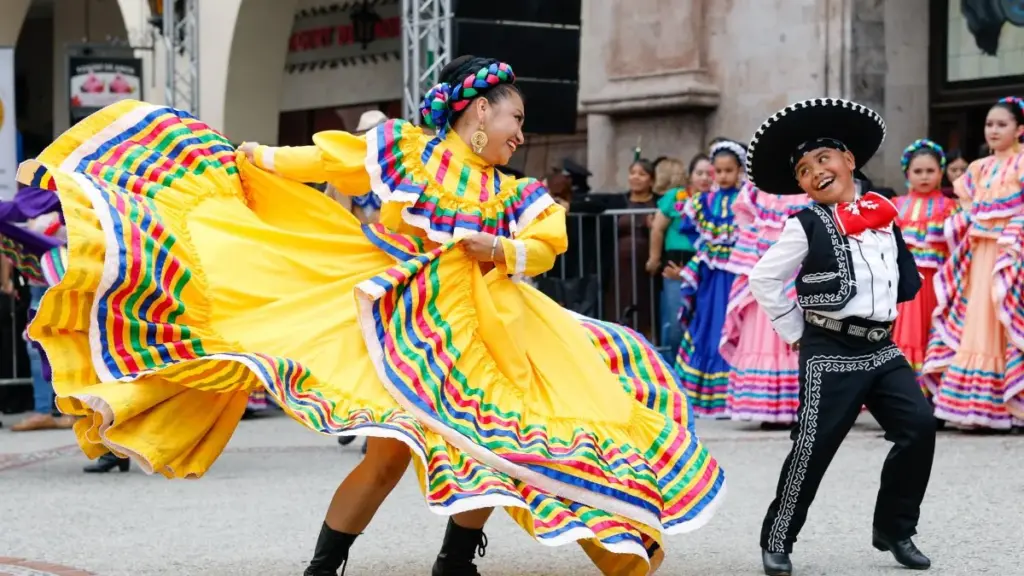
The upcoming Cinco de Mayo on May 5, 2026, will once again see communities come together to honor their heritage. While many will enjoy festive dances and delicious cuisine, it’s essential to remember that this day honors a pivotal moment in history—a testament to resilience and unity.
As we prepare for this celebration, let’s reflect on its historical significance and what it represents for millions today.