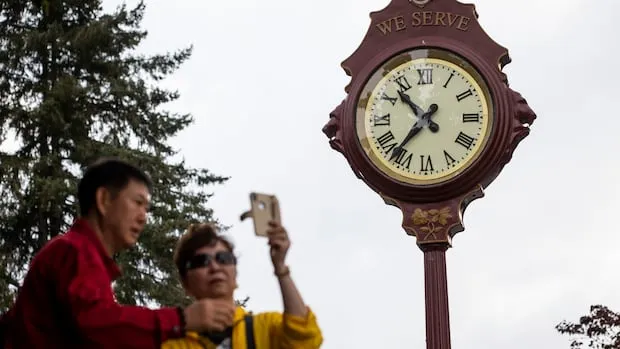
Background on Clock Change in British Columbia
British Columbia (B.C.) has been at the forefront of discussions regarding daylight saving time, having passed legislation in 2019 to shift to permanent daylight time. However, the implementation of this change was delayed until 2026 to synchronize with neighboring U.S. states, particularly those in the Pacific time zone, such as California, Washington, and Oregon. This decision reflects a broader trend in North America, where the practice of changing clocks has come under scrutiny.
Upcoming Changes in 2026
Starting March 8, 2026, British Columbia will officially transition to permanent daylight time year-round. This change means that residents will not fall back an hour in November, aligning with Alberta during the winter months. The shift will occur at 2 a.m. on March 8, when clocks will spring forward one hour, marking the beginning of daylight saving time.
Public Support and Reactions
A 2019 survey indicated that an overwhelming 93% of British Columbians supported the move to permanent daylight time. The B.C. Ministry of the Attorney General stated, “The extra evening daylight on permanent daylight time will have benefits in terms of more time for outdoor activity and safer commutes.” This sentiment echoes a growing desire among the public for more daylight in the evenings.
Broader Context of Daylight Saving Time
Daylight saving time has a long history, first adopted in the U.S. in 1918 during World War I as a measure to conserve fuel. Since then, it has been consistently observed, with only Hawaii and Arizona opting out of the practice. In recent years, there has been a push in various states to eliminate the clock changes altogether, with 29 states introducing legislation to stop the practice.
Political Perspectives
Former President Donald Trump has voiced support for making daylight saving time permanent, stating, “The House and Senate should push hard for more Daylight at the end of a day. Very popular and, most importantly, no more changing of the clocks, a big inconvenience and, for our government, A VERY COSTLY EVENT!!!” This reflects a growing political consensus around the benefits of eliminating the biannual clock changes.
Looking Ahead
As the clock change approaches, observers and officials are optimistic about the potential benefits of permanent daylight time. The first day of spring in 2026 will occur shortly after the change, on March 20, at 10:46 a.m. ET, marking a new chapter for British Columbia in its approach to timekeeping. While the Sunshine Protection Act, which aimed to make daylight saving time permanent at the federal level, has not passed, the momentum at the state and provincial levels continues to build.
With the impending clock change in 2026, British Columbia is set to join a growing number of regions advocating for permanent daylight time. As the date approaches, the implications of this change will be closely monitored, both locally and across the Pacific time zone.