The wider picture
The US and Iran have been engaged in escalating conflict, with significant implications for global oil markets. As tensions rise, CNN has made a bold move to adapt its news presentation style to better connect with its audience. On March 23, 2026, the network introduced a podcast-style format during a segment focusing on the ongoing war with Iran, aiming to resonate with changing viewer preferences in the digital age.
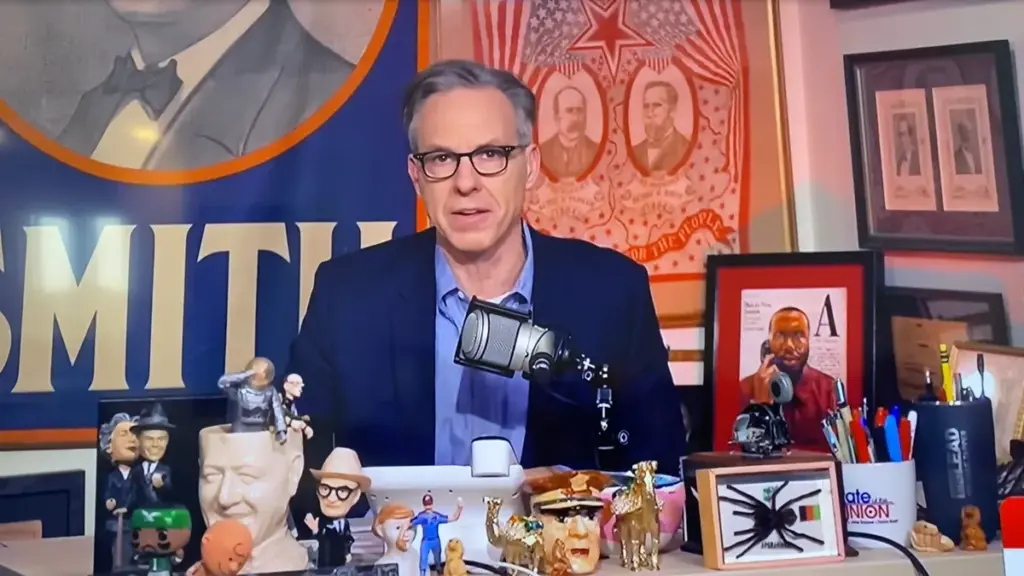
In this new approach, prominent CNN anchors Jake Tapper and Anderson Cooper hosted segments from the CNN newsroom, creating a more casual atmosphere that mirrors the intimate feel of a podcast. “Here we are, giving it a shot,” Tapper remarked, hinting at the network’s willingness to innovate in response to viewer habits. The shift included podcast-style audio setups that fostered a less formal environment, encouraging open discussions about pressing issues.
The segment featured in-depth conversations about the conflict between the US and Iran, which had entered its fourth week by this date. The situation has been further complicated by recent developments, including Donald Trump’s decision to pause his threat to strike Iran’s power plants for five days, following claims of productive talks with Iranian officials. However, Iran has denied that any dialogue took place, adding to the uncertainty surrounding the situation.
As the conflict continues, the Strait of Hormuz remains a critical chokepoint for oil exports, making the stakes even higher. The US stock market reacted positively to Trump’s pause on military action, reflecting a momentary sense of relief among investors. Yet, the Trump administration has faced criticism for its inconsistent messaging regarding the war, leading many to question the effectiveness of its strategy.
Amid these developments, the conflict has also resulted in increased violence against Palestinians in the occupied West Bank, raising concerns about the broader humanitarian implications of the ongoing war. Observers note that while the podcast-style format may attract a new audience, the effectiveness of CNN’s approach in retaining viewership remains uncertain.
As the situation evolves, many are left wondering what the future holds for both the US-Iran conflict and CNN’s new format. “Will we do it again? Stay tuned,” Tapper teased, leaving viewers eager for more updates. Meanwhile, critics have pointed out the complexities of war, emphasizing that “wars, unlike illegal tariffs, cannot be switched on and off to meet a president’s whims.” This sentiment reflects the gravity of the situation and the unpredictable nature of international relations.
Details remain unconfirmed regarding the outcomes of potential talks between the US and Iran, and the world watches closely as events unfold. As CNN navigates this new chapter in its broadcasting strategy, the community remains engaged, hoping for clarity and resolution in both the media landscape and the geopolitical arena.