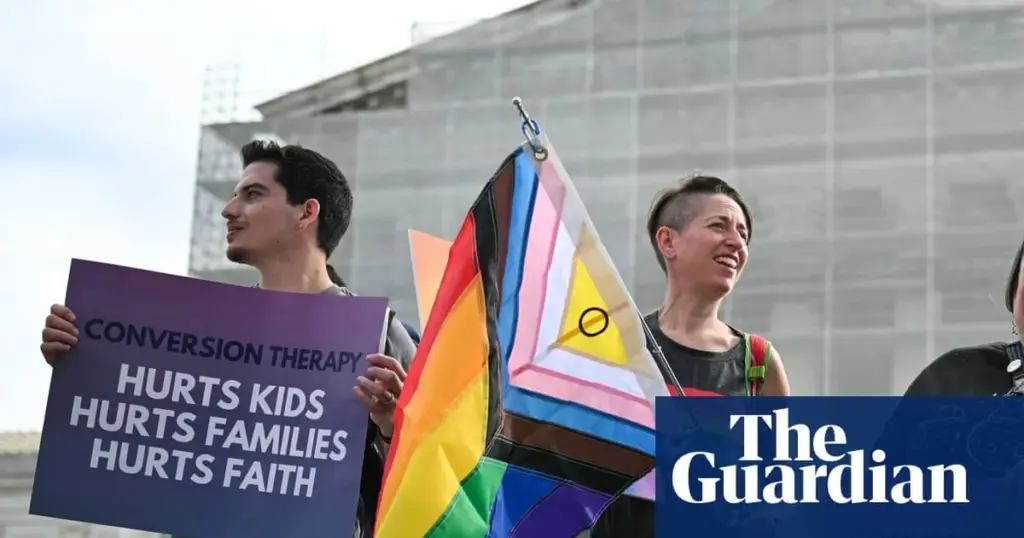
In a landmark decision on March 31, 2026, the U.S. Supreme Court ruled against Colorado’s ban on conversion therapy for minors, delivering an 8-1 verdict that has reverberated across the nation. The case was brought forth by Kaley Chiles, a licensed therapist who challenged the 2019 law prohibiting practices aimed at changing an individual’s sexual orientation or gender identity.
The ruling is expected to have far-reaching implications, potentially impacting similar laws in over 20 states that have enacted similar bans. The Colorado law, which defined conversion therapy broadly, included any practice that sought to alter a minor’s sexual orientation or gender identity and carried penalties such as fines up to $5,000 and the risk of license suspension. However, it is noteworthy that no therapist had faced sanctions under this law since its enactment.
Key moments
Justice Neil Gorsuch, writing for the majority, emphasized that Colorado’s law censors speech based on viewpoint, stating, “The First Amendment stands as a shield against any effort to enforce orthodoxy in thought or speech in this country.” This perspective has sparked a heated debate about the balance between free speech and the protection of vulnerable populations.
In contrast, dissenting Justice Ketanji Brown Jackson argued that states should have the authority to regulate healthcare, including imposing restrictions on certain types of speech. Her dissent, which spanned 35 pages, raised concerns about the implications of allowing such practices to continue unchecked.
The ruling has drawn sharp criticism from LGBTQ+ advocates, who view it as a dangerous step backward in the fight for equal rights. Polly Crozier, a prominent advocate, remarked, “This is a dangerous practice that has been condemned by every major medical association in the country.” Advocates argue that conversion therapy is not only ineffective but also harmful to the mental health of LGBTQ+ youth.
Support for the ruling has come from organizations like the Alliance Defending Freedom, with representatives like Kelly Shackelford asserting, “Americans should never have their professional speech censored simply because the government disfavors that speech.” This perspective highlights the ongoing tension between free expression and the protection of marginalized communities.
As the dust settles on this significant ruling, the community is left grappling with its implications. The decision marks the third major defeat for LGBTQ+ rights advocates in the past year, following previous Supreme Court rulings that favored cases involving religious discrimination related to LGBTQ+ issues. The landscape of LGBTQ+ rights continues to evolve, raising questions about the future of protections for vulnerable populations.
In the wake of the ruling, community members and advocates are mobilizing to respond to the challenges ahead. Jim Campbell, a supporter of conversion therapy, stated, “Kids deserve real help affirming that their bodies are not a mistake and that they are wonderfully made.” This sentiment reflects the ongoing divide in opinions surrounding the treatment of LGBTQ+ youth and the societal responsibilities toward their well-being.