Introduction
Calgary traffic has been a growing concern for residents and commuters, especially in the context of the city’s expanding population and infrastructure developments. As one of the fastest-growing cities in Canada, Calgary faces significant challenges in managing its road networks and public transportation systems. Understanding the current state of traffic can help citizens make informed decisions on their travel routes and times, highlighting the importance of effective traffic management strategies.
Current Traffic Conditions
As of late 2023, traffic congestion in Calgary has continued to increase, particularly during peak hours in the morning and late afternoon. The city’s population has surged to over 1.3 million, resulting in more vehicles on the road and heightened demand for public transit. Notably, major roadways such as Crowchild Trail and Deerfoot Trail frequently experience delays, often exacerbated by ongoing construction projects aimed at improving overall infrastructure.
The City of Calgary has reported that average travel times have increased by 15% compared to last year. The planned developments for additional lanes and the construction of new transit lines are intended to alleviate congestion, but these projects also contribute to temporary setbacks in traffic flow.
Recent Developments
In response to the ongoing traffic challenges, the city has implemented several initiatives. The Calgary Traffic Twitter Account provides real-time updates and alerts about accidents, road closures, and construction work. Additionally, the city has also introduced traffic signals that adjust based on real-time traffic data to enhance flow.
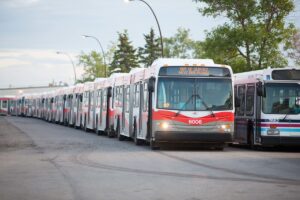
Furthermore, Calgary Transit has enhanced its service offerings, promoting public transportation as a viable alternative to driving. New routes have been added to connect underserved areas, while the city has encouraged the use of bicycles and walking through expanded bike lanes and pedestrian paths. These efforts aim to reduce the number of vehicles on the road, thereby easing traffic congestion.
Conclusion
In conclusion, Calgary’s traffic situation reflects the growing pains of a developing urban center. While current conditions present challenges, the city’s proactive approach towards improving infrastructure and promoting public transit indicates a commitment to enhancing the overall commuting experience. Residents can expect continued progress in traffic management strategies, and as these initiatives take hold, there may be hope for reduced congestion in the near future. Staying informed about traffic patterns and available transportation options will be essential for Calgarians navigating this evolving landscape.