Introduction
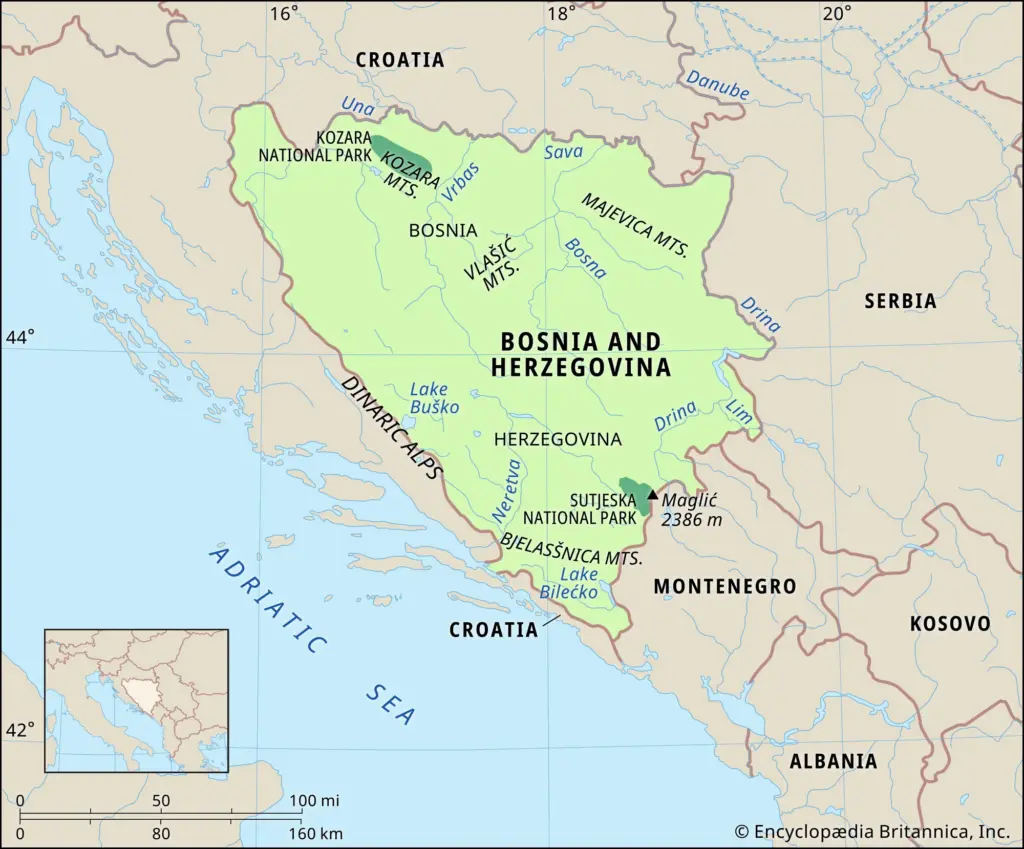
Bosnia and Herzegovina, located in the heart of Southeast Europe, is a nation marked by its complex history and rich cultural heritage. It gained international attention in the early 1990s during the Yugoslav Wars, leading to significant political and territorial changes. Today, its ongoing journey towards political stability, economic development, and EU integration remains crucial not only for its citizens but also for the broader Balkan region.
Recent Developments
As of late 2023, Bosnia and Herzegovina has experienced various challenges and reforms aimed at enhancing its governance and institutional framework. In October, the country witnessed nationwide protests against the rising cost of living and limited job opportunities, reflecting public frustration with economic conditions. Protesters demanded more effective government action to address unemployment and inflation, which have intensified in recent months due to global economic pressures.
On the political front, the country has been grappling with the implementation of the 1995 Dayton Agreement that established peace but has also resulted in a fragmented political landscape. Efforts to unify the country’s diverse ethnic groups—Bosniaks, Croats, and Serbs—and to strengthen central governance have proven difficult. Recently, the European Union reaffirmed its commitment to support Bosnia’s path toward membership, although significant reforms are still needed to meet the accession criteria.
Significance for the Region
The situation in Bosnia and Herzegovina is of paramount importance to the stability of the Balkans. The EU’s interest in integrating the region stems from a desire to foster peace and economic development. As Bosnia progresses toward potential EU candidacy, the outcomes of ongoing reforms and political discourse will be closely monitored by EU member states and neighboring countries.
Conclusion
In conclusion, Bosnia and Herzegovina stands at a crossroads, where economic challenges intersect with the need for political reform and ethnic reconciliation. Moving forward, the engagement of international partners, including the EU, will be vital in steering the country towards greater stability and prosperity. The resilience shown by the citizens in facing their challenges suggests a commitment to a brighter future, one that the international community should support. The next few years will be critical in shaping not only the nation’s future but also the overall dynamics of Southeast Europe.