Introduction to Bitcoin and USD
As one of the most well-known cryptocurrencies, Bitcoin has rapidly become a significant topic in global finance. With fluctuations that can occur dramatically within hours, understanding the relationship between Bitcoin and USD is crucial for investors, traders, and financial analysts alike. The rise of Bitcoin over the past decade has marked it as a pioneering digital asset, while the USD remains the world’s dominant fiat currency. As cryptocurrencies gain traction and mainstream acceptance, analyzing the Bitcoin to USD exchange rate can provide valuable insights into market trends.
Recent Trends and Market Analysis
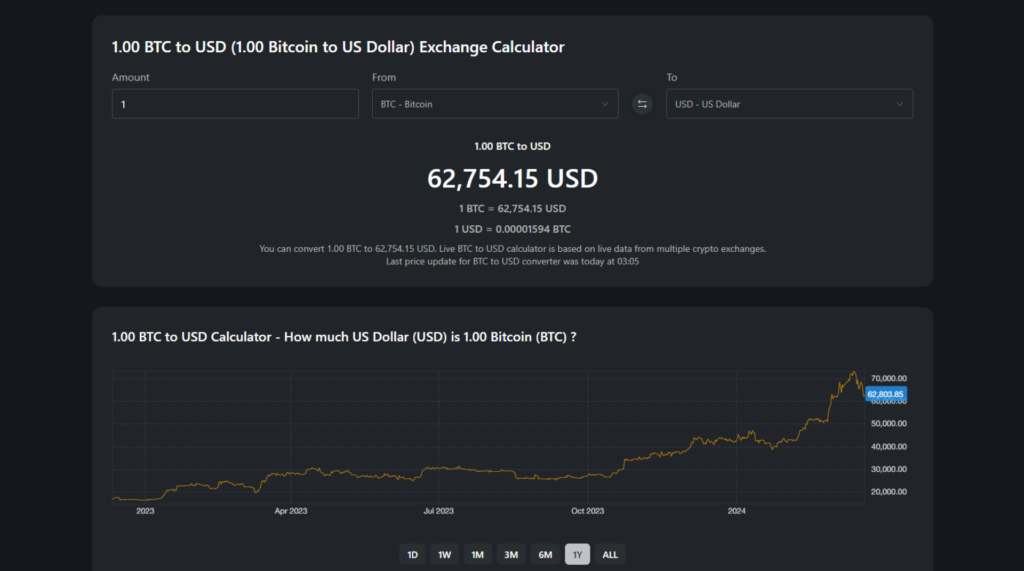
As of mid-October 2023, Bitcoin has experienced both impressive gains and significant volatility. Reports indicate that Bitcoin traded at around $30,000 USD in early October, reflecting a 20% increase from the previous month. Analysts attribute this surge to several factors, including increased institutional investment, supportive regulatory developments in various countries, and rising adoption of cryptocurrencies for payment solutions. Moreover, as global inflation concerns continue to rise, many see Bitcoin as a hedge against traditional economic instability.
Conversely, the market remains sensitive to potential negative influences such as increased regulatory scrutiny or competition from emerging cryptocurrencies. For example, updates from the U.S. Securities and Exchange Commission (SEC) regarding cryptocurrency regulations are highly monitored, as they can shift market dynamics drastically. Investors are advised to stay updated on such developments, as they can directly influence Bitcoin’s market valuation against the USD.
Future Predictions
Looking ahead, experts remain optimistic about the future of Bitcoin in relation to USD. Some forecasts suggest that Bitcoin may reach upwards of $50,000 USD by the end of 2024, driven by a growing acceptance among retail investors and improvements in blockchain technology. However, many also advise a cautious approach, emphasizing the importance of thorough research and risk management due to the possibility of market corrections and unforeseen circumstances that can lead to price drops.
Conclusion
As Bitcoin continues to evolve in the financial sector, understanding its value in USD remains crucial for participants in the market. The current trends indicate a growing acceptance, yet the inherent volatility must not be overlooked. Investors must approach the Bitcoin market with vigilance, stay informed about ongoing regulatory changes, and prepare for both upward spikes and potential downturns. As cryptocurrency systems develop, the relationship between Bitcoin and USD will undoubtedly play a central role in shaping the future of finance.