Understanding the Federal Reserve Interest Rate
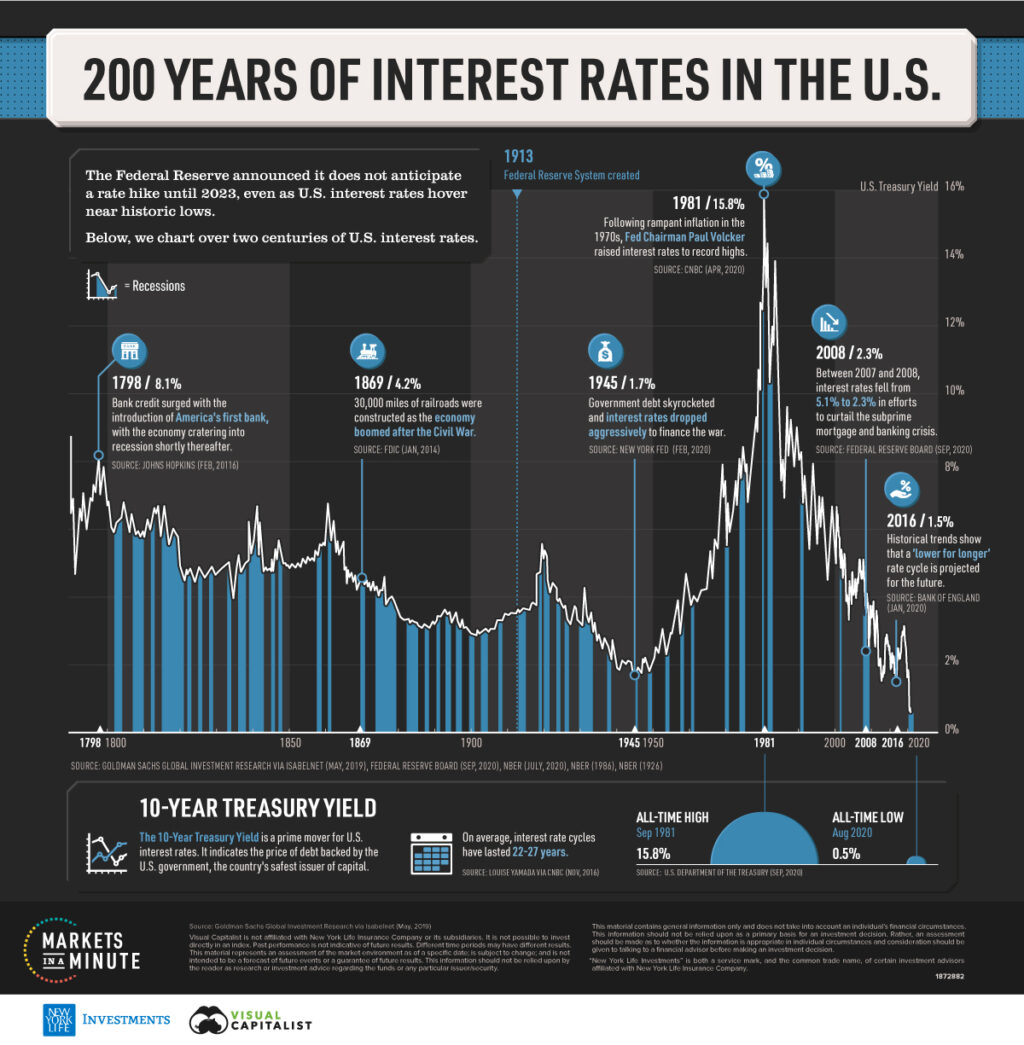
The federal reserve interest rate, set by the U.S. Federal Reserve, plays a critical role in the nation’s economic health. It influences borrowing costs, consumer spending, and overall economic growth. With inflation rates fluctuating and the economy facing various pressures, understanding the current trends around the interest rate is vital for investors, businesses, and consumers alike.
Recent Developments
As of October 2023, the Federal Reserve has held its key interest rate steady at 5.25%-5.50%. This decision comes in response to various economic indicators that suggest both inflation pressures and signs of economic cooling. The Fed’s dual mandate aims to promote maximum employment and stable prices, and current evaluations show that inflation, which peaked at 9.1% year-over-year in June 2022, has begun to stabilize around 3-4% in recent months.
During a recent press conference, Fed Chair Jerome Powell indicated that the central bank remains vigilant, carefully monitoring inflation rates and employment data to adjust monetary policy accordingly. Analysts suggest that while immediate rate hikes appear unlikely, the Fed is prepared to act should inflation rates exceed their expectations.
Impact on the Economy
The federal reserve interest rate significantly influences various sectors of the economy. Higher interest rates typically mean higher borrowing costs for consumers and businesses, resulting in slower economic growth. Conversely, maintaining lower rates for an extended period can help stimulate economic activity by encouraging spending and investment.
Real estate markets have been feeling the pressure of rising interest rates, as mortgage costs have increased. For example, the average 30-year fixed mortgage rate has hovered around 7%, pricing many potential homebuyers out of the market. Financial analysts warn that prolonged high-interest rates could lead to a downturn in housing starts and consumer spending.
Looking Ahead
Market observers are keenly awaiting the Federal Reserve’s next moves. Future rate decisions will likely depend heavily on upcoming economic data. Should inflation persist or unemployment rates shift significantly, adjustments may be on the horizon.
In conclusion, the federal reserve interest rate remains a crucial barometer of economic health. For consumers and investors, understanding these fluctuations is critical for making informed financial decisions. The Federal Reserve’s commitment to ensuring stable economic growth while managing inflation will remain a key focus in the coming months.