Introduction
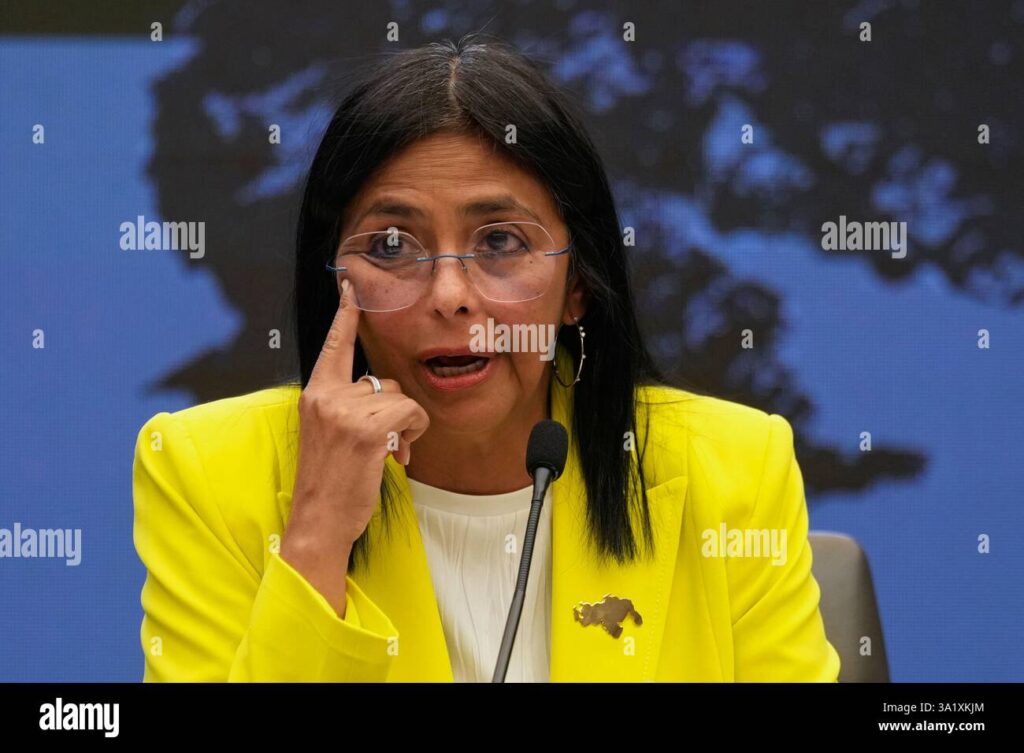
Delcy Rodriguez has emerged as a prominent figure in Venezuelan politics, holding key government positions that shape the nation’s policy and governance. As the current Vice President, her influence extends to critical decisions affecting the country’s economy and international relations. Understanding her role is essential in comprehending the broader context of Venezuela’s ongoing crisis and the administration’s strategies.
Political Background and Roles
Delcy Rodriguez was appointed Vice President of Venezuela in 2018, following the re-election of Nicolás Maduro. Prior to assuming this role, she served as the Minister of Foreign Affairs, where she gained significant experience representing Venezuela on international platforms. Rodriguez is known for her strong advocacy of the Maduro administration’s positions, often defending government actions against accusations by international bodies.
Influence on Venezuela’s Economy
In her role as Vice President, Rodriguez has been at the forefront of dealing with the severe socioeconomic challenges facing Venezuela, including hyperinflation, widespread poverty, and shortages of basic goods. The Venezuelan economy has been in turmoil for years, and Rodriguez has advocated for government-led initiatives aimed at bolstering state control over the economy. Under her guidance, the regime has sought to implement measures designed to stabilize the economy, albeit with limited success.
International Relations and Controversies
Rodriguez’s tenure has not been without controversy, especially concerning Venezuela’s strained relations with countries like the United States and neighboring Colombia. She has been a central figure in discussions regarding U.S. sanctions and has actively campaigned against what the government labels as foreign interference. Her foreign policy often aligns closely with the interests of allies like Russia and China, which support the Maduro government amidst international condemnation.
Conclusion
Delcy Rodriguez remains a pivotal player in Venezuela’s current political landscape. Her actions and decisions will continue to influence the country’s struggle with economic stability and international diplomacy. As the situation evolves, it is crucial for observers and citizens alike to monitor Rodriguez’s influence, as it may determine the future of Venezuela’s governance and its complex relationship with the world. Understanding her role can provide insights into how the Venezuelan administration plans to navigate through its myriad challenges in the coming years.