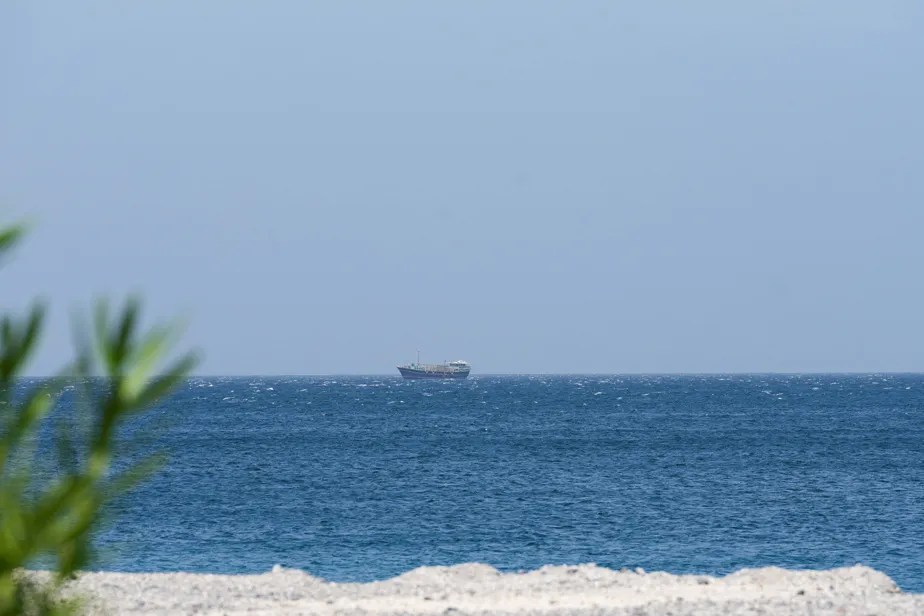
“Understandably, everyone is nervous,” said Richard Meade, reflecting the palpable tension surrounding the Strait of Hormuz. This vital waterway, crucial for global trade, has seen a significant slowdown in maritime traffic, with only two vessels managing to cross since a recent ceasefire was announced.
The U.S. military has begun demining operations in the strait, a move that underscores the seriousness of the situation. Over 800 ships remain immobilized in the Gulf, highlighting the unprecedented nature of this maritime standstill. Even during the Iran-Iraq War, the passage through the strait was maintained, making this current freeze particularly alarming.
As the Organization Maritime Internationale works on establishing a mechanism to ensure safe transit, uncertainties linger. “We still do not know if this area is now safe to navigate,” stated a representative from the Japanese Shipowners Association, emphasizing the ongoing concerns about security in the region.
Iran has introduced a new toll for oil shipments passing through the strait, demanding $1 per barrel to be paid in cryptocurrencies. This request adds another layer of complexity to an already tense situation, as it raises questions about the economic implications for global oil markets.
Despite the ceasefire, the specter of violence looms large. Meade warned, “If a ship is hit, we will be back to square one, as no one will trust the ceasefire anymore.” The ramifications of such an event could be dire, not only for shipping in the strait but for broader regional stability.
Local maritime leaders express cautious optimism, with one captain stating, “The ceasefire reassures us. We hope it lasts.” However, the reality remains that the region is fraught with tension, and the future of safe passage through the Strait of Hormuz hangs in the balance.
In light of recent events, the international community watches closely, awaiting further developments. Details remain unconfirmed regarding the specifics of the agreement on tolls and the overall security situation in the strait.