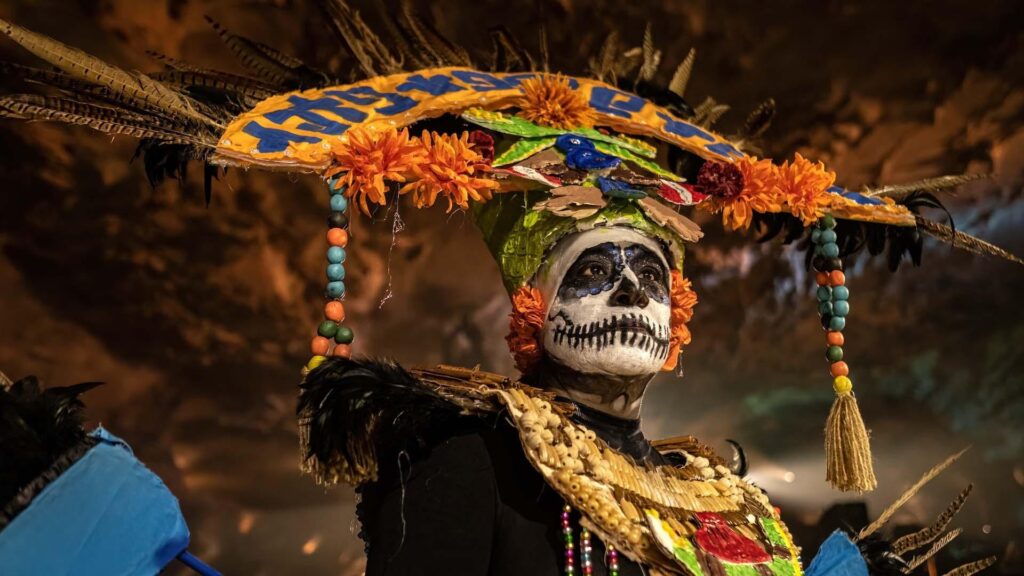
Introduction to Día de los Muertos
Día de los Muertos, or Day of the Dead, is a Mexican holiday celebrated on November 1 and 2 each year. It holds immense significance as it provides a sacred opportunity for families to honor and remember loved ones who have passed away. This vibrant holiday merges indigenous traditions with Spanish influences, creating a unique cultural identity that resonates not just in Mexico but also in various parts of the globe.
Historical Background
The origins of Día de los Muertos can be traced back over 3,000 years to the ancient Mesoamerican civilizations, particularly the Aztec culture. These communities viewed death as a continuum of life, where the deceased were an integral part of the living world. With the arrival of Spanish colonizers, many indigenous practices were adapted, giving birth to the modern celebration we recognize today.
Celebratory Practices and Traditions
Día de los Muertos is characterized by colorful altars known as ‘ofrendas’, adorned with photographs, mementos, and favorite foods of the deceased. Common offerings include pan de muerto (a traditional sweet bread), sugar skulls, and vibrant marigolds, which are believed to attract the spirits of departed loved ones. In various regions, families gather in cemeteries to celebrate with music, food, and even dance, creating a joyous atmosphere that emphasizes remembrance rather than mourning.
Global Recognition
In recent years, Día de los Muertos has gained international recognition, even being inscribed on UNESCO’s Representative List of the Intangible Cultural Heritage of Humanity in 2008. With various celebrations taking place in cities such as Los Angeles, San Antonio, and Toronto, the holiday has fostered a deeper appreciation for Mexican culture worldwide. Many cultural institutions and communities engage in educational activities and public events to enhance awareness and understanding of its significance.
Conclusion
Día de los Muertos is a profound reminder of the cycle of life and death. Its celebration brings communities together, strengthens familial bonds, and encourages individuals to reflect on their own lives and the legacies of those who have passed. As the holiday continues to gain popularity beyond Mexico, it provides a unique opportunity for intercultural dialogue and understanding, showcasing the rich tapestry of Mexican heritage.