Introduction
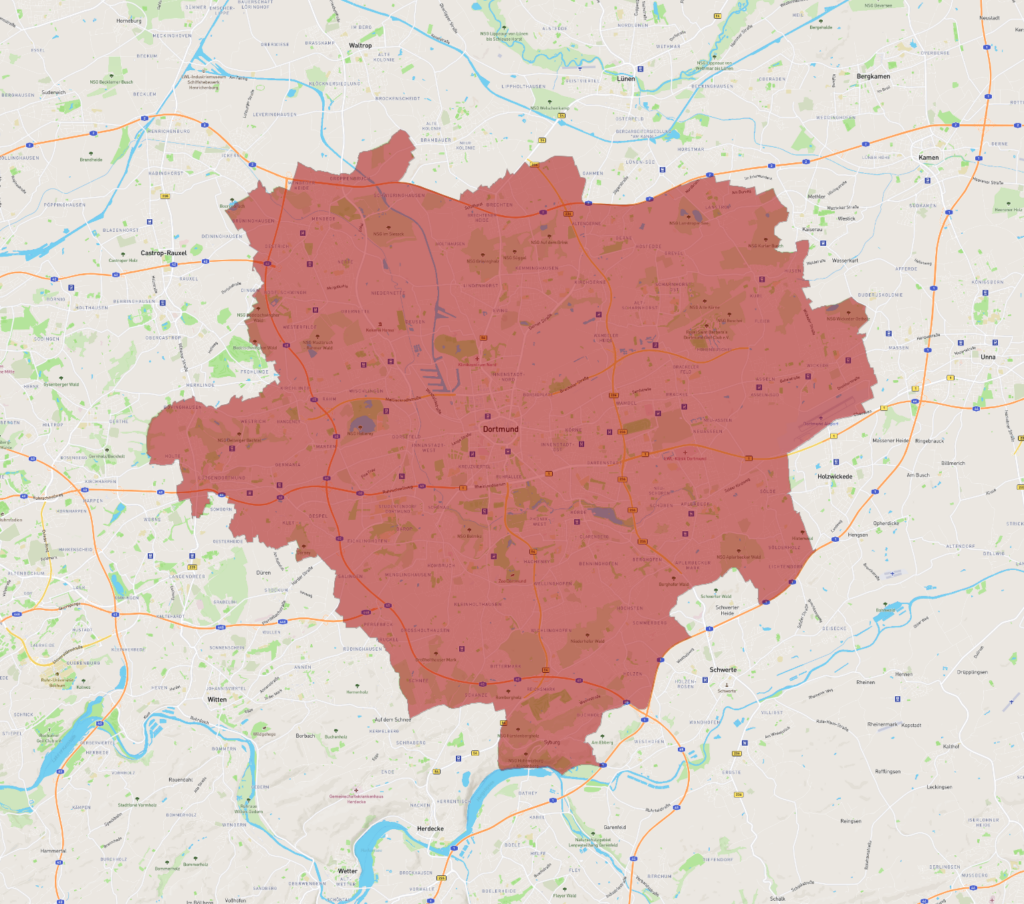
Dortmund, located in the heart of Germany’s North Rhine-Westphalia region, is a city that seamlessly blends rich history with modern innovation. As one of the most significant urban centers in Germany, Dortmund is known for its thriving economy, cultural landmarks, and vibrant community life. With a population of over 600,000, it is the eighth largest city in Germany and serves as a key player in the European Union’s economic landscape.
Culture and Historical Significance
Dortmund has a storied past, rooted in its origins as a trading post in the 9th century. The city experienced rapid industrial growth during the 19th century, primarily due to its coal and steel industries. Today, visitors can explore numerous historical sites, such as the Reinoldikirche, a stunning medieval church, and the Westphalian State Museum of Art and Cultural History. The city also hosts various cultural events throughout the year, including the famous Dortmund Christmas Market, which attracts thousands of visitors eager to experience traditional German festivities.
Economy and Innovation
In recent years, Dortmund has shifted its focus from heavy industry to technology and services. The city is now home to a burgeoning tech scene, with numerous startups and innovation centers emerging. The Phoenix Lake project, a redevelopment initiative on a former steel manufacturing site, exemplifies this transformation, turning the area into a hub for knowledge-based industries. Moreover, Dortmund boasts one of the highest concentrations of research institutions in Germany, including the Dortmund University of Technology, which fuels advancements in engineering and information technology.
Sports and Recreation
Sports play an integral role in Dortmund’s identity, with Borussia Dortmund, one of Germany’s premier football clubs, drawing fans from all over. The Signal Iduna Park, the club’s home ground, is renowned for its electric atmosphere and is one of the largest stadiums in Europe. Aside from football, the city offers an array of recreational activities, from picturesque parks to leisure centers, ensuring a lively outdoor culture for its residents and visitors.
Conclusion
Dortmund is a city that beautifully merges its historical roots with a forward-thinking approach to modern life. As it continues to innovate and attract new industries, the city remains a vital center of culture and economy in Germany and Europe. With ongoing investments in technology and infrastructure, Dortmund’s future looks promising, making it an exciting place for both residents and tourists alike. As the city embraces its unique character while evolving with the times, it reaffirms its position as a significant player on the European stage.