Introduction
Transylvania, a region in central Romania, is renowned for its stunning landscapes, rich history, and cultural heritage. Famous for its connections to Dracula, this area attracts millions of tourists each year. Its significance extends beyond folklore, embodying a diverse mix of cultures, historical landmarks, and natural beauty that resonates with those seeking adventure or a glimpse into the past.
A Rich Tapestry of History
Transylvania has a complex history influenced by a myriad of cultures, including the Dacians, Romans, Hungarians, and Saxons. The region is dotted with medieval towns such as Sibiu, Sighișoara, and Brașov, each showcasing beautifully preserved architecture that reflects its multicultural heritage. Sighișoara, a UNESCO World Heritage site, is particularly noteworthy as the birthplace of Vlad the Impaler, the historical figure that inspired Bram Stoker’s Dracula.
Natural Wonders and Attractions
Transylvania is also known for its breathtaking landscapes, from the Carpathian Mountains to the vast forests and rolling hills. The region is home to the Rarău Mountains and the Piatra Craiului National Park, popular among hikers and nature enthusiasts. Additionally, Bran Castle, often referred to as Dracula’s Castle, draws visitors captivated by its gothic architecture and legendary associations. The castle is a focal point of Romanian tourism, with exhibitions detailing its history and the myths surrounding it.
Cultural Significance
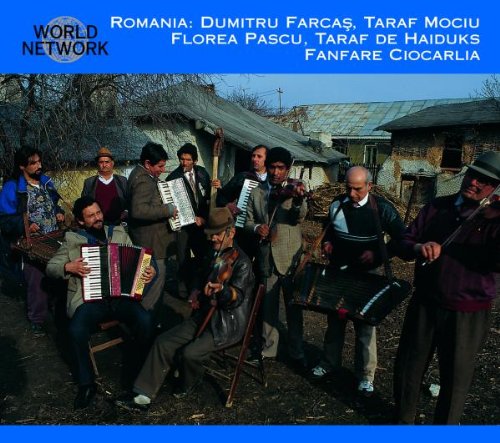
The cultural scene in Transylvania is vibrant, characterized by local traditions, music, and cuisine. Festivals celebrating local music, crafts, and food highlight the region’s rich heritage. The region’s wine production is also noteworthy, with several wineries offering tastings and tours, emphasizing local grape varieties that thrive in the Transylvanian climate.
Conclusion
Transylvania is more than just a backdrop for horror stories; it is a treasure trove of experiences waiting to be discovered. As travel resumes post-pandemic, the appeal of this historic region continues to grow, promising visitors not only a chance to explore medieval towns and castles but also to immerse themselves in a vibrant culture. With its natural beauty, rich history, and engaging communities, Transylvania is a must-visit destination for both history buffs and adventure seekers alike.