Introduction
Tierra del Fuego, an archipelago located at the southernmost tip of South America, is composed of two main islands, the larger Isla Grande de Tierra del Fuego and a group of smaller islands. It is significant not only for its breathtaking landscapes but also for its ecological diversity and cultural history. As climate change poses threats to some of the world’s most pristine environments, understanding and protecting places like Tierra del Fuego becomes crucial.
Geography and Natural Features
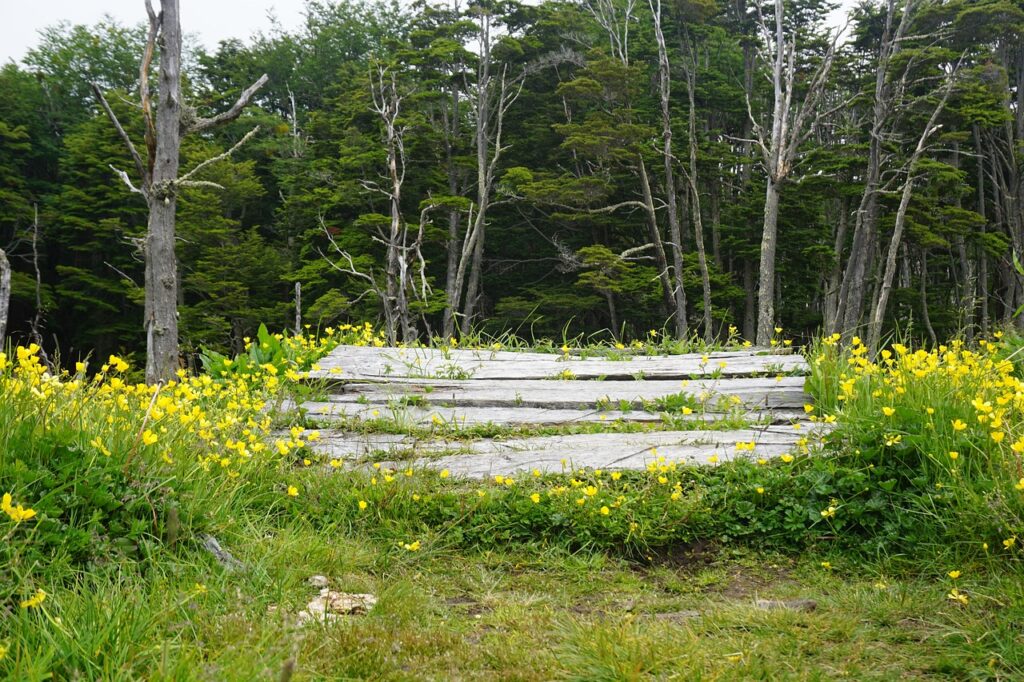
Tierra del Fuego is characterized by its dramatic scenery, which includes snow-capped mountains, glaciers, and deep fjords. The region is split between Chile and Argentina, with both countries preserving parts of Tierra del Fuego as national parks to protect their unique ecosystems. The Tierra del Fuego National Park in Chile, established in 1960, showcases forests of lenga and coihue trees and is home to diverse wildlife, including the endangered Andean condor and foxes.
Cultural Significance
Historically, Tierra del Fuego is famed for being inhabited by the indigenous Selk’nam and Yaghan people. Their cultures and languages were deeply intertwined with the land, yet they faced significant challenges and decline due to colonization. Today, there is a resurgence in interest regarding indigenous heritage, impacting tourism and local economies, aiming to educate visitors about the region’s rich history.
Current Events and Tourism
In recent years, Tierra del Fuego has become a popular destination for eco-tourism, attracting adventurers interested in hiking, kayaking, and wildlife watching. Local operators emphasize sustainability, aiming to minimize their environmental footprint while providing enriching experiences. Any changes in climate, such as melting glaciers and altered wildlife patterns, make this a critical time for conservation efforts in the archipelago.
Conclusion
The significance of Tierra del Fuego goes beyond its stunning natural beauty; it is a hotspot for biodiversity and a symbol of our planet’s ecological health. As global attention shifts towards conservation, understanding the importance of preserving locations like Tierra del Fuego becomes vital. Not only do these areas offer extraordinary experiences, but they also serve as benchmarks for environmental policy and sustainable tourism. As such, Tierra del Fuego will continue to capture the fascination of new generations, while reminding us of our responsibility to maintain the balance between exploration and conservation.