Introduction
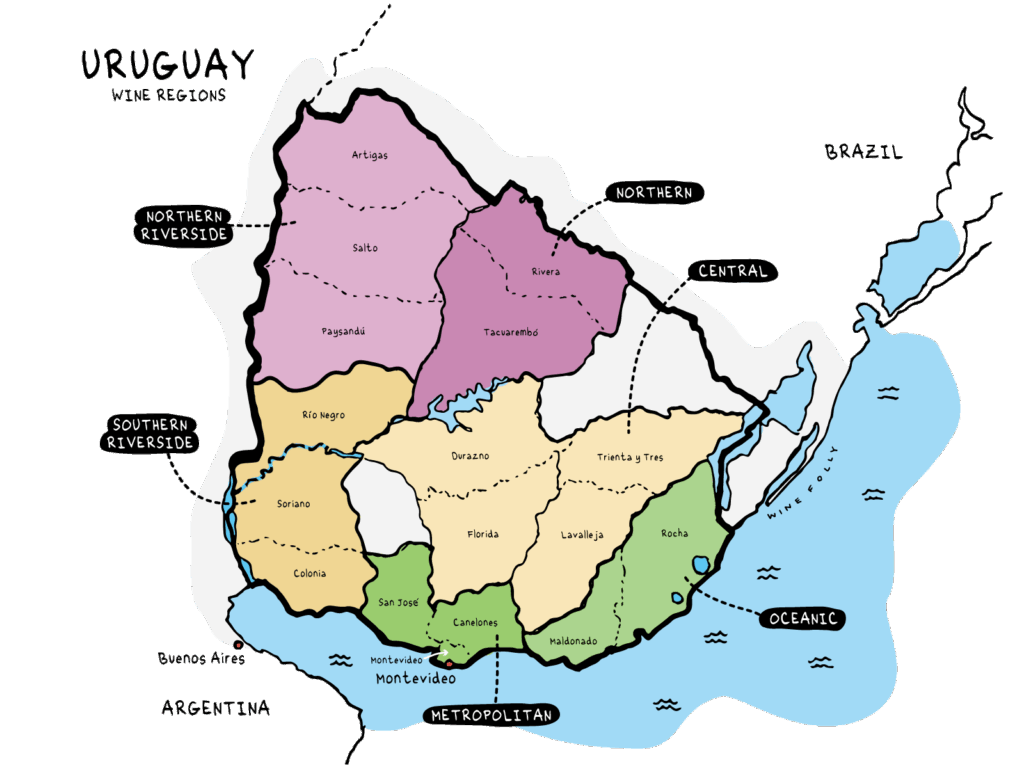
Uruguay, a small nation nestled between Brazil and Argentina, has emerged as a significant player in South America, known for its stable democracy, progressive policies, and robust economy. As the country navigates the challenges posed by global economic shifts and climate change, its relevance on the international stage continues to grow. With a rich cultural heritage and a focus on sustainable development, Uruguay’s journey is one worth exploring.
Current Developments in Uruguay
In recent years, Uruguay has gained international attention for its innovative approaches, particularly in the areas of social policy and technology. One notable event is the country’s advancements in renewable energy, with approximately 98% of its electricity coming from renewable sources, primarily wind and solar. This commitment not only reduces carbon emissions but also positions Uruguay as a leader in sustainability.
Politically, Uruguay remains stable, having a strong tradition of democracy and human rights. The government recently announced new social programs aimed at reducing poverty rates, which have fluctuated due to various economic pressures. These initiatives focus on educational reforms, housing, and healthcare, further enhancing the quality of life for its citizens.
Economic Overview
Economically, Uruguay has shown resilience amidst the global slowdown. The country’s GDP growth in 2023 is projected to be around 3.5%. Its agricultural sector, especially beef and soy exports, remains the backbone of its economy, demonstrating significant demand from international markets, particularly in Europe and China.
The Uruguayan government is also fostering a startup culture, with Montevideo emerging as a hub for entrepreneurs thanks to favorable tax policies and incubator programs. This focus on technology and innovation is attracting foreign investment, which is crucial for economic diversification.
Conclusion
As Uruguay continues to thrive in the face of global challenges, its emphasis on sustainability, social progress, and economic stability positions it uniquely in South America. The nation’s dedication to democratic values and innovative policies sets a benchmark for neighboring countries. Moving forward, all indicators suggest that Uruguay will maintain its trajectory of growth and influence, making it a significant player in the region. For those looking to understand the dynamic socio-economic landscape of South America, keeping an eye on Uruguay is essential.