Reaction from the field
Easter traditions resonate deeply within communities, serving as a reminder of resilience and the enduring spirit of celebration. As families gather to commemorate the resurrection of Jesus Christ, they also partake in age-old customs that have evolved over nearly 2000 years. These traditions not only reflect religious significance but also embody a rich tapestry of cultural practices that bring people together.
One of the most cherished traditions is the enjoyment of hot cross buns on Good Friday, a practice that dates back to at least the 12th century. These spiced sweet buns, marked with a cross, symbolize the end of Lent and the joy of Easter. In many households, the aroma of freshly baked buns fills the air, creating a warm and inviting atmosphere for family gatherings.
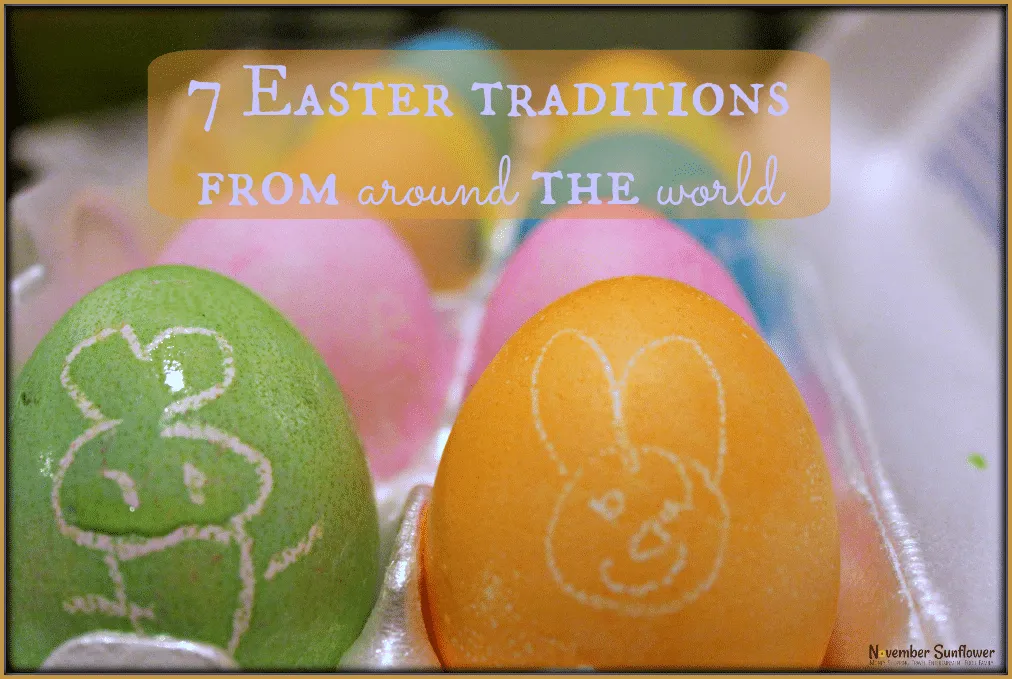
Decorated eggs, another beloved symbol of Easter, represent new life and have been part of the celebration since early Christianity. The tradition of dyeing and decorating eggs has transformed into a vibrant activity for families, especially during Easter egg hunts that gained popularity in the 18th and 19th centuries. Children eagerly search for hidden eggs, embodying the joy and excitement of the season.
The Easter Bunny, a character that has become synonymous with the holiday, originated in 17th-century Germany as the ‘Osterhase’. This whimsical figure has since become a staple in Easter celebrations, delighting children with the promise of chocolate eggs and candy. The mass production of chocolate bunnies in the 19th century further solidified this tradition, making it a sweet highlight of the holiday.
Families often come together for an Easter Sunday meal, with dishes like ham or lamb taking center stage. In Parma, Ohio, State Meats has become a local favorite since its establishment in 1960, known for its smoked and fresh kielbasa, a traditional dish enjoyed by many during Easter meals in Eastern Europe. “Easter is our Superbowl,” says George Salo, a loyal customer, highlighting the significance of this festive meal in the community.
Bridget Bush, another patron, emphasizes, “It’s the tradition for Easter to have the Fresh Kielbasa,” showcasing how food plays a vital role in these celebrations. The process of preparing kielbasa involves smoking it for 3-6 hours, followed by a cold water shower for 10 minutes, ensuring a delicious and flavorful dish that families look forward to each year.
Even in challenging circumstances, communities remain committed to their Easter traditions. Displaced residents in south Lebanon continue to celebrate, showcasing their resilience and dedication to preserving their customs. As one observer noted, “The residents have made concerted efforts to maintain their customs, showcasing their resilience and commitment to their identity.” This spirit of determination is a testament to the power of tradition in uniting people, even in the face of adversity.
As Easter approaches each year, the anticipation builds, and families reflect on the significance of their traditions. While the essence of these customs remains steadfast, the ways in which they are celebrated may continue to evolve. Details remain unconfirmed, but one thing is certain: the joy of Easter traditions will continue to bring communities together, fostering a sense of belonging and shared history.