Introduction
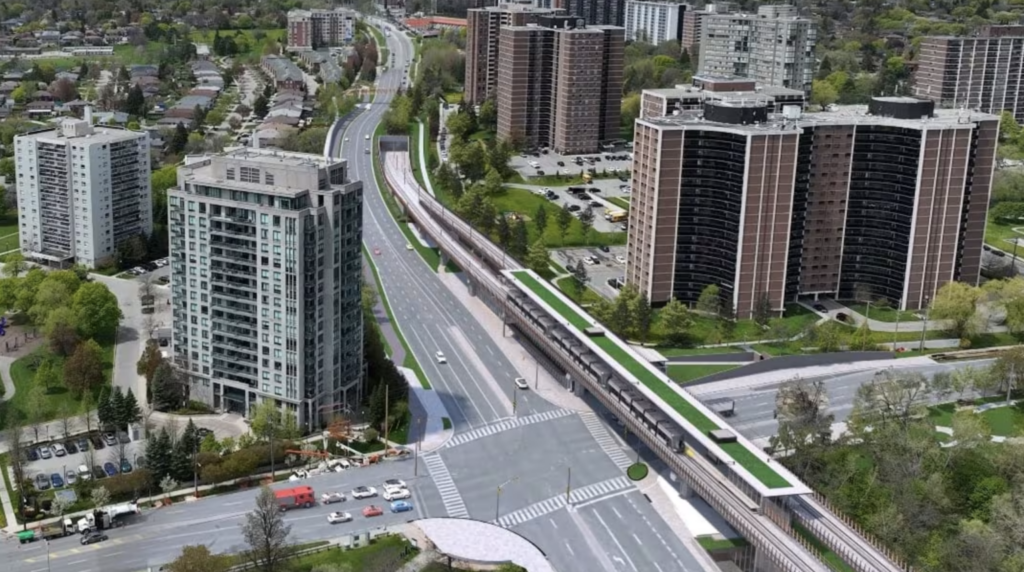
The Eglinton Crosstown Light Rail Transit (LRT) project is one of the most significant infrastructure developments in Toronto, Canada. Designed to enhance public transportation efficiency and accessibility, this ambitious project has been a focal point of urban development, aiming to alleviate congestion and improve connectivity across the city. As Toronto continues to grow, understanding the progress and implications of the Eglinton Crosstown is essential for residents and stakeholders alike.
Project Overview
The Eglinton Crosstown LRT will span approximately 19 kilometers, running from Mount Dennis in the west to Kennedy Station in the east. With 25 stops, it is expected to serve over 5,000 passengers daily, providing a vital link between various neighborhoods and major transit hubs. The project is designed to integrate seamlessly with existing subway lines and bus routes, ultimately creating a more cohesive transit network.
Current Status
As of October 2023, significant progress has been made on the Eglinton Crosstown. The construction of stations and track laying is underway, with several sections nearing completion. Recently, the Toronto Transit Commission (TTC) announced that they expect the first segment of the LRT to open for service in late 2023, followed by phased openings of other parts over the subsequent year. Despite facing delays due to various challenges, including the COVID-19 pandemic, the project is back on track and receiving increased attention from city officials and residents.
Community Impact
The Eglinton Crosstown project is set to have a transformative impact on many neighborhoods along its route. By improving transit access, it promotes economic development and can lead to job creation in the surrounding areas. Furthermore, the project is designed with a focus on sustainability, aiming to reduce carbon emissions and promote environmentally friendly transportation options. Nonetheless, it has also faced criticism regarding construction disruptions and the impact on local businesses, leading to ongoing discussions between developers and community stakeholders to mitigate these concerns.
Conclusion
The Eglinton Crosstown LRT is poised to become a landmark achievement in Toronto’s public transportation history. As the project progresses towards its completion, it embodies the potential for urban transit systems to evolve in response to growing population demands. For Toronto residents, the successful implementation of this project promises smoother commutes, reduced traffic congestion, and a more connected city. Looking forward, the Eglinton Crosstown sets a precedent for future transit endeavors across Canada, emphasizing the need for continued investment in public transportation infrastructure.