Why VAR ruled Iran’s ‘winner’ offside to put them at risk of World Cup exit as Egypt progress - The New York Times
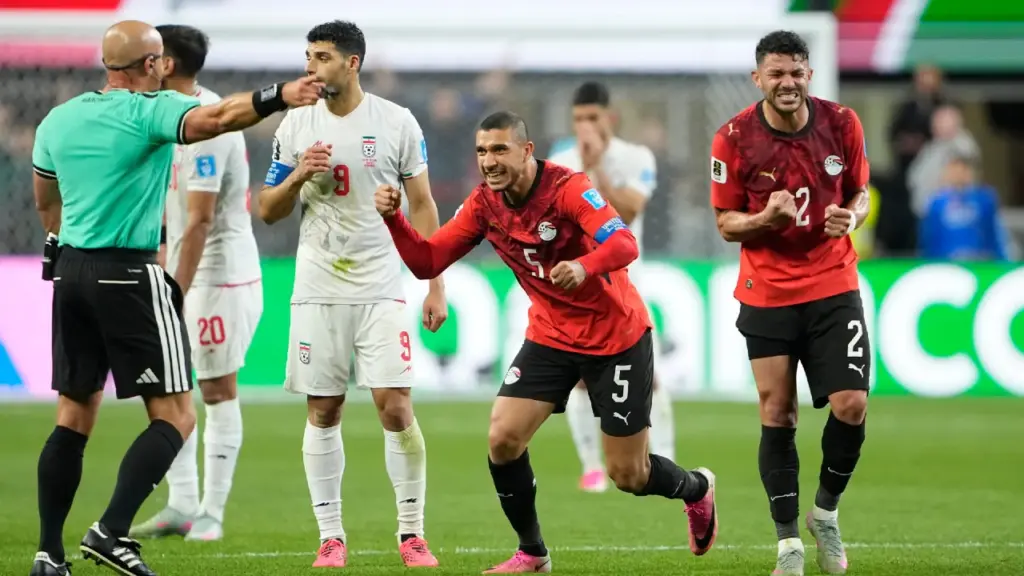
Egypt has secured its progression to the World Cup round of 32, finishing second in Group G following a dramatic 1-1 draw against Iran. The result, played at Seattle’s Lumen Field, means Egypt will face Australia on July 3. For Iran, a late disallowed goal has left their qualification hopes dependent on other results in the final round of group games.
The match saw an early goal from Egypt‘s Mahmoud Saber in the fifth minute, whose shot found its way past Iran goalkeeper Alireza Beiranvand. Iran responded quickly, earning a penalty four minutes later. Although Mehdi Taremi‘s initial attempt was saved, Ramin Rezaeian capitalized on the rebound from a Milad Mohammadi effort to equalize in the 15th minute.
Dramatic Conclusion and VAR Intervention
The game remained finely balanced, with developments in the simultaneous Group G match between Belgium and New Zealand influencing the standings. Belgium‘s goals, including one from Kevin De Bruyne, temporarily shifted Egypt to second place. A goal from New Zealand briefly restored Egypt‘s top spot, but Romelu Lukaku‘s subsequent goal for Belgium, which ultimately won 5-1, solidified Belgium‘s position at the top of the group.
The most significant moment of the Egypt–Iran match occurred in stoppage time when Shoja Khalilzadeh appeared to score a winning goal for Iran. This goal would have guaranteed Iran a spot in the knockout phase. However, the goal was ruled out for offside after a VAR review. The decision hinged on the position of Khalilzadeh when his teammate Mohammad Ghorbani shot on goal, not when Khalilzadeh himself struck the ball. At that crucial moment, only one Egypt player was between Khalilzadeh and the goal line, making him offside according to the rules.
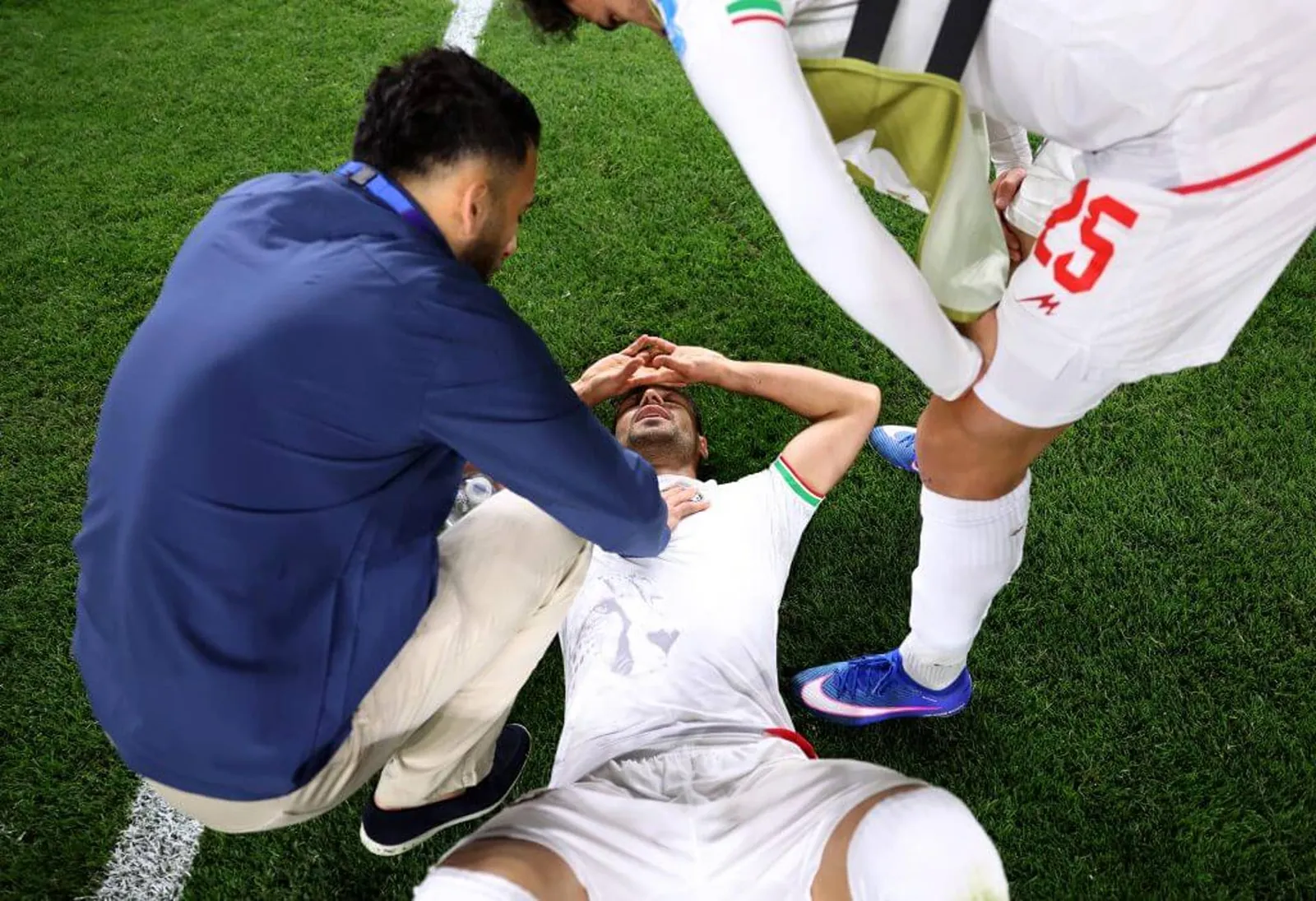
The disallowed goal was a cruel blow for Iran, especially as Taremi had a similarly tight offside call go against him in a previous match against Belgium. Despite the setback, Iran created two more scoring opportunities, including a shot from Saeid Ezatolahi that hit the crossbar. However, Egypt managed to hold on for the draw, securing their passage to the next round.
Implications for Both Teams
With the 1-1 draw, Egypt finished as group runners-up and will travel to AT&T Stadium near Dallas to face Australia. The team’s manager, Hossam Hassan, made a notable substitution in the 57th minute, removing Mohamed Salah, who then applied heavy strapping to his left leg. The potential availability of Salah will be a key factor for Egypt in the knockout stages, where they could potentially face Argentina in the round of 16.
For Iran, the draw leaves them in third place in Group G with three points and a zero goal difference. While they are not yet confirmed to be out of the tournament, their fate now depends on the results of Saturday’s final round of group games. Iran‘s chances of progressing as one of the best eight third-placed sides are high, with one projection model giving them a 92 percent chance of reaching the round of 32. However, specific results in other groups could see them eliminated. If Algeria and Austria draw their match in Group J, DR Congo beats Uzbekistan, and Croatia secures at least a point against Ghana, Iran would be out.
The match itself was described as a physical and entertaining contest, marked by four bookings in the first half for tackles. Both teams displayed a nervous energy, with late tackles and forceful shoulder-barges contributing to the intensity. Iran‘s strategy in the second half involved a defensive setup with five defenders and four midfielders, aiming to repel Egypt‘s attacks while relying on Taremi as a lone striker. This approach, while nearly successful, ultimately led to a tense finish and the dramatic VAR decision.
The outcome means Egypt advances past the group stage for the first time in the World Cup, while Iran faces an anxious wait for Saturday’s results.
Source: nytimes.com