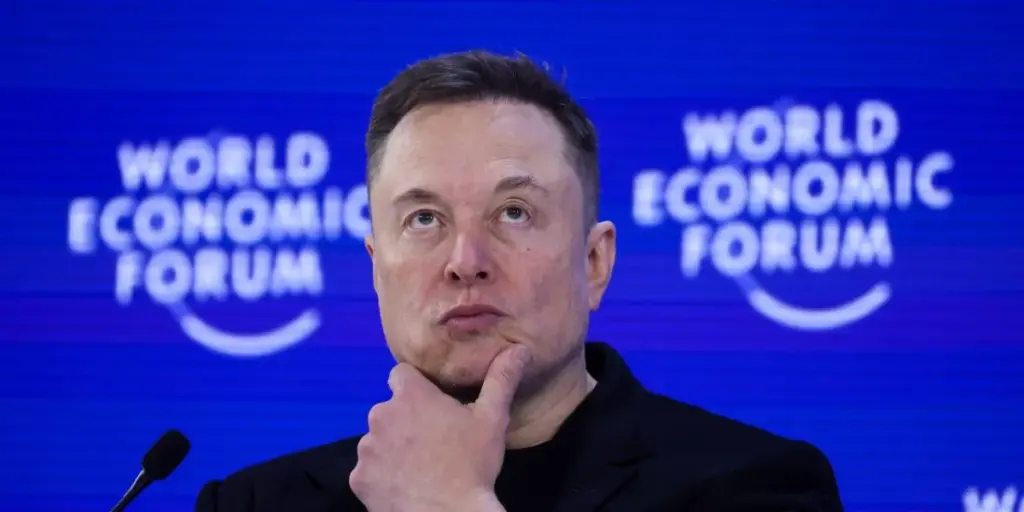
Just last week, Elon Musk made headlines with a bold assertion: saving for retirement is pointless. His reasoning? The rapid advancements in AI and robotics will transform the job market and financial landscape.
On October 10, Musk stated, “Don’t worry about squirreling money away for retirement in 10 or 20 years. It won’t matter.” This statement challenges the conventional wisdom that encourages people to save diligently for their golden years.
He predicts that by 2030, AI will surpass the intelligence of all humans combined. This claim raises eyebrows—what does that mean for jobs? Musk believes AI could perform half or more of traditional jobs today.
In his vision of the future, he imagines a world where humanoid robots outnumber humans. He suggests a radical shift towards a “universal you can have whatever you want income,” where financial stability no longer hinges on employment.
This perspective resonates with many Americans struggling to save for retirement. Recent data shows only 55% of adults have a “rainy day” fund equal to three months of expenses, down from 59% in 2021. Moreover, fewer than half of surveyed Americans could cover $2,000 with their savings.
Musk’s remarks come at a time when his legal battle with OpenAI is heating up. A jury selection is set to begin soon as Musk accuses OpenAI’s leadership of misleading him about its transition to a for-profit model. He alleges he donated over $44 million to OpenAI believing it would remain a nonprofit.
The stakes are high—not just for Musk but also for the future of work itself. With Microsoft holding a significant stake in OpenAI, valued at $130 billion, the implications stretch across industries.
As Musk pushes to make X an “everything app” with new banking and payment features, his views on financial planning may influence how people think about their economic futures.
While some may dismiss Musk’s ideas as far-fetched, they spark important conversations about how society prepares for an uncertain future shaped by technology.
For now, many are left wondering how these developments will impact their lives and what strategies they need to adopt in an age where traditional financial planning may become obsolete.