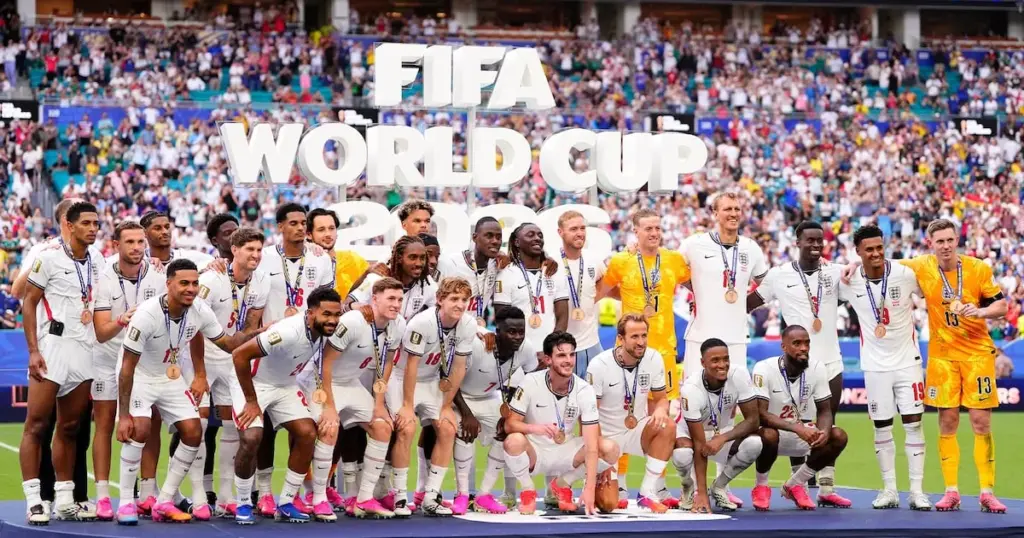
FIFA World Cup: Third Place Match - France 4, England 6
England achieved its best World Cup finish in 60 years, securing third place after a 6-4 win against France in the bronze final. This marks the team’s highest placement since winning the tournament on home soil.
The match, described as thrilling, saw England, who started the tournament ranked fourth globally, conclude their campaign with a semi-final appearance for only the third time since 1966. Despite the positive result in the third-place play-off, discussions have emerged regarding manager Thomas Tuchel‘s tactics and the team’s performance in their semi-final loss to Argentina.
Reflecting on the Tournament Performance
While the third-place finish represents England‘s second-best World Cup performance, there are varying perspectives on how the campaign should be assessed. Some view it as a significant achievement, while others consider it a missed opportunity or even a disappointment, particularly given the semi-final exit.
Head coach Tuchel was appointed with the aim of overcoming previous barriers faced by England in World Cups. However, the defeat to Argentina in the semi-finals has led to internal discussions and external criticism regarding the team’s strategy, particularly a perceived passive approach.
Assistant manager Anthony Barry commented during the third-place play-off that the players were competing with “broken hearts” following their semi-final loss. Reports suggest that some players had misgivings about Tuchel‘s substitutions and tactical adjustments during the closing stages of the match against Argentina, considering them too defensive.
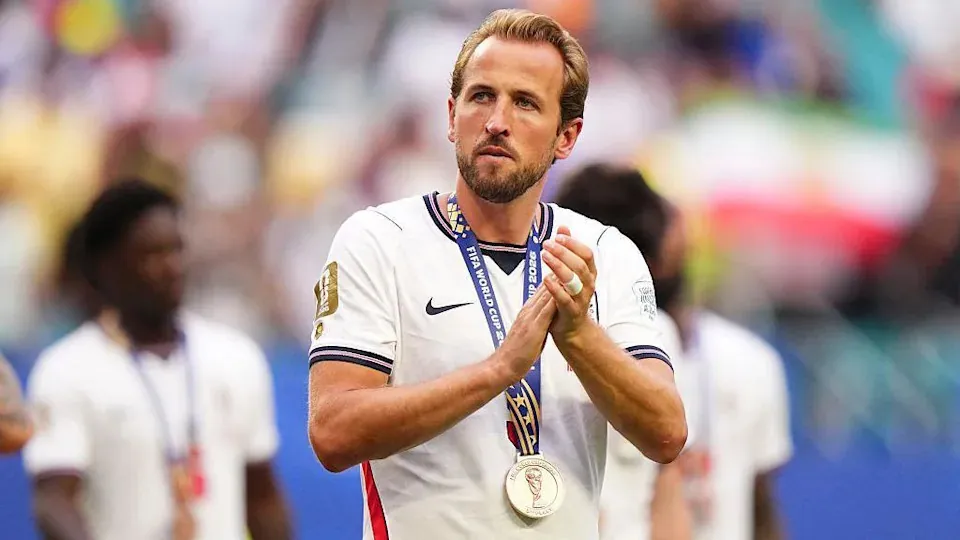
The mood within the England camp was reportedly deflated after the semi-final setback. Tuchel has often spoken about the “brotherhood” within the team, a connection that players have relied on in the aftermath of their elimination from the final contention.
Managerial Future and Standout Players
Following the Argentina game, the Football Association reaffirmed its support for Tuchel, with the intention for him to remain in charge for Euro 2028. An end-of-tournament review is anticipated, where the defeat to Argentina will likely be a key topic of discussion.
However, there is speculation about the potential impact of player discontent regarding tactical decisions and the negative fan reaction. Tuchel was booed by supporters in Miami when his name was announced before the match against France, indicating ongoing frustration among the fanbase.
Several players received credit for their performances throughout the tournament. Harry Kane and Jude Bellingham were highlighted for their contributions, with Bellingham ending the tournament with seven goals, one more than Kane. Djed Spence also earned an honourable mention for his defensive efforts, including a goal-saving challenge against Argentina.
Anthony Gordon and Bukayo Saka each recorded three assists during the World Cup. With Saka being 24, he is expected to participate in future World Cups. The next tournament in 2030 will mark 64 years since England last won the competition.
Looking ahead to Euro 2028, England aims to develop the necessary management and mentality to achieve success. Tuchel‘s approach has involved building a team with physicality, centered around players like Bellingham and Kane. The coach will need to find ways to make the team more potent and resilient, potentially integrating emerging talents such as Rio Ngumoah, a 17-year-old forward from Liverpool, and Arsenal‘s Max Dowman, who is 16.
The team’s six-goal performance against France on Saturday showcased their attacking capabilities, particularly in a match with less pressure. The focus now shifts to how England will address the challenges ahead and prepare for future competitions.
Source: tsn.ca