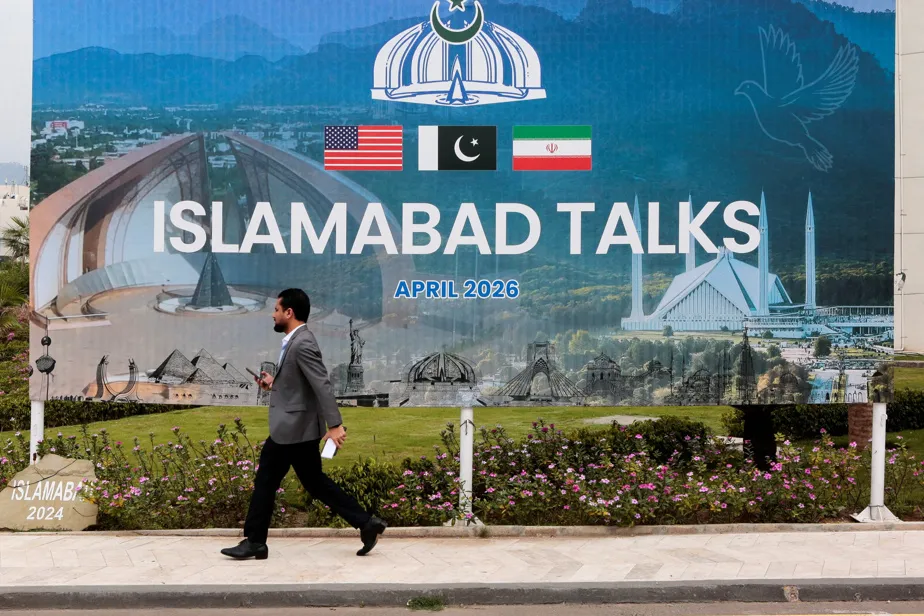
In a groundbreaking development, Iran and the United States have commenced direct negotiations in Islamabad, marking the first such talks since the Islamic Revolution of 1979. The discussions, which began on April 11, 2026, are being led by U.S. Vice President J.D. Vance and include high-ranking officials from Iran, such as President of Parliament Mohammad Bagher Ghalibaf and Foreign Minister Abbas Araghchi. The negotiations have already lasted nearly 15 hours on their first day, demonstrating a significant commitment from both sides to engage in dialogue.
The trilateral talks also involve Pakistani officials, who are facilitating the discussions in a bid to stabilize the region. This diplomatic effort comes against the backdrop of escalating tensions following an Israeli-American offensive against Iran that began on February 28. The conflict has had devastating consequences, with reports indicating over 2,000 deaths and more than 6,000 injuries in Lebanon since March 2, highlighting the urgent need for a resolution.
As the negotiations unfold, the atmosphere has been described as cordial by a Pakistani official, suggesting a willingness to engage constructively. However, the complexities of the situation cannot be understated. The U.S. military has recently deployed two destroyers to the Strait of Hormuz for demining operations, a strategic passage that has been blocked since the onset of the conflict. This military presence underscores the delicate balance of power in the region and the potential for further escalation.
Donald Trump, the former U.S. President, has expressed confidence in the negotiations, stating, “We are in advanced negotiations with Iran. We are winning anyway; we have defeated them militarily.” His remarks reflect a broader sentiment among some U.S. officials that military pressure may have brought Iran to the negotiating table. Yet, skepticism remains, particularly among Iranian citizens, with one anonymous individual commenting, “We should not take Trump too seriously. He wants to wipe a civilization off the map and, twelve hours later, sets up a ceasefire that rests on nothing.” This sentiment highlights the deep mistrust that persists between the two nations.
Shehbaz Sharif, the Prime Minister of Pakistan, has acknowledged the challenges ahead, stating, “This stage is expected to be difficult to establish a lasting truce.” His remarks resonate with the broader uncertainties surrounding the negotiations. The exact terms and outcomes of the talks remain unclear, and the impact of any potential ceasefire on the ongoing conflict in Lebanon is uncertain. Details remain unconfirmed.
As the world watches these historic negotiations unfold, the hope for a peaceful resolution hangs in the balance. The stakes are high, not only for Iran and the United States but also for the broader Middle East region, which has been marred by conflict for decades. The outcome of these talks could set a precedent for future diplomatic engagements and potentially reshape the geopolitical landscape.
In the coming days, the focus will be on the progress made in Islamabad and whether these discussions can pave the way for a more stable and peaceful future. The international community remains hopeful that this dialogue marks the beginning of a new chapter in U.S.-Iran relations, one that prioritizes diplomacy over military confrontation.