Introduction
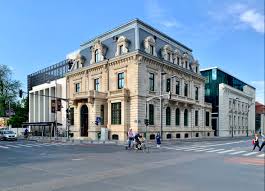
Bucharest, the capital city of Romania, is not just the political center of the country; it holds significant cultural and economic importance as well. In recent years, it has emerged as a beacon for business opportunities and tourism, attracting both local and international attention. Understanding Bucharest’s role in the region offers insight into the broader trends shaping Eastern Europe.
Current Events and Developments
Recently, Bucharest has hosted several international events, including the Conference of European Cities, which focused on urban development and sustainability. This illustrates the city’s commitment to enhancing its infrastructure and urban planning. The city’s economy continues to grow, with a projected GDP increase of 5.1% for 2023, largely driven by the IT sector and foreign investments.
Moreover, as travel restrictions ease, Bucharest has seen a resurgence in tourism. Reports indicate a 30% increase in visitors in the first half of 2023 compared to the previous year. Notable attractions, such as the Palace of the Parliament and the historic Lipscani district, are seeing a surge in interest from international travelers, contributing to the local economy and promoting cultural exchange.
Conclusion
Bucharest’s position as a cultural and economic hub is expected to strengthen in the coming years. The city’s focus on modernization and infrastructure improvement, alongside its rich history and vibrant culture, will likely continue to attract both businesses and tourists. As Bucharest navigates its future, its role on the European stage will be increasingly pertinent, making it a city worth paying attention to for potential opportunities.