Introduction
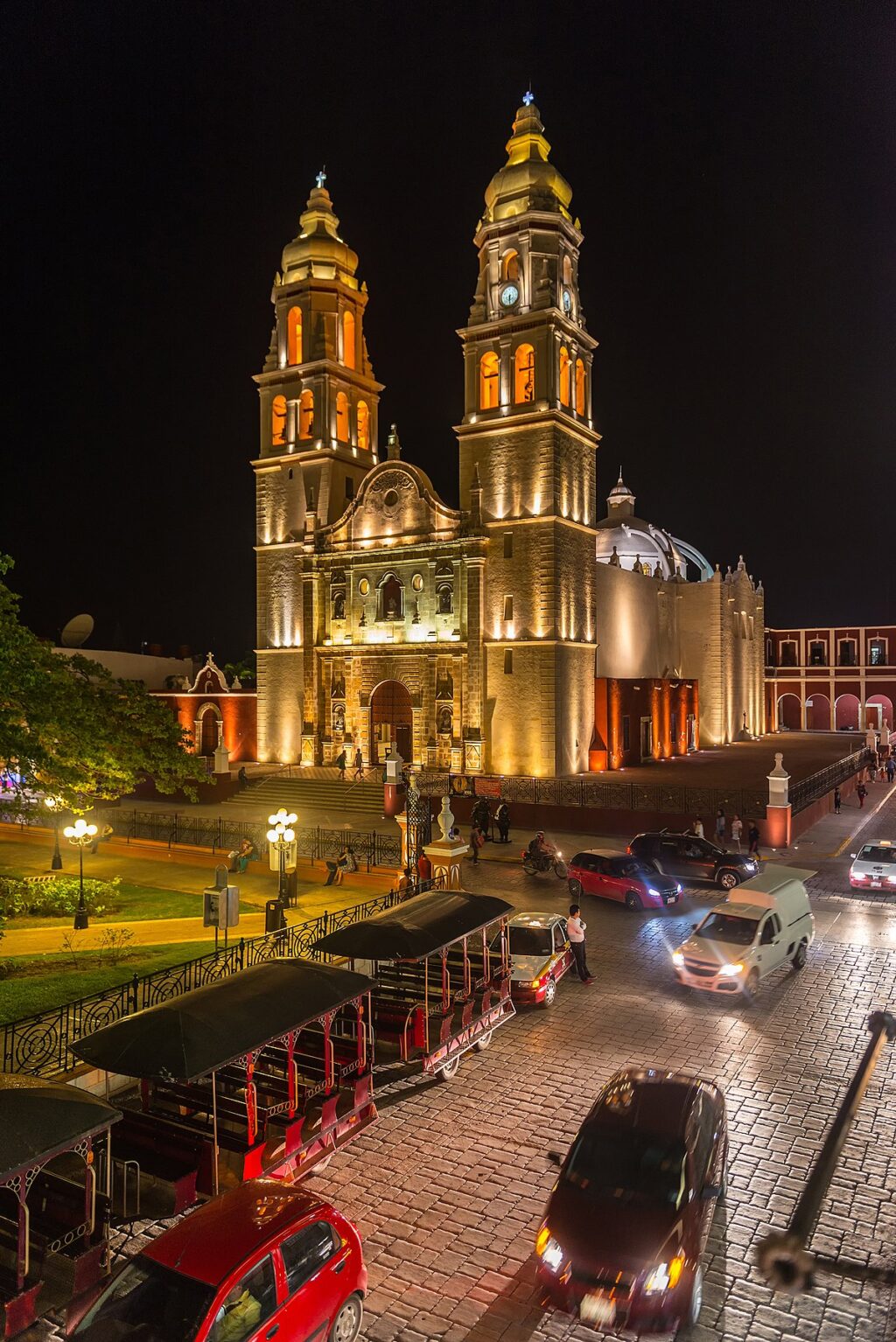
Campeche, located on the western coast of Mexico’s Yucatán Peninsula, is a city renowned for its vibrant history, unique architecture, and rich cultural heritage. It is a UNESCO World Heritage site that attracts travelers from around the globe. As modern tourism grows, the significance of Campeche as a cultural and historical landmark continues to increase, making it a topic of great importance.
Historical Significance
Founded in 1540, Campeche was one of the principal ports for Spanish exploration and trade in the New World. Its strategic location made it a frequent target for pirates during the 17th and 18th centuries. To protect its riches, the city was fortified with impressive walls and forts, many of which still remain today, including the iconic Fort of San Miguel and the Fort of San José el Alto.
Cultural Richness
Today, Campeche’s historic district is celebrated for its brightly colored colonial buildings, cobblestone streets, and stunning plazas. Visitors can enjoy the local cuisine, which features fresh seafood and traditional Maya and Spanish dishes that reflect the city’s blended heritage. The annual Festival of San Roman and the Campeche Carnival are just two events that showcase the region’s vibrant traditions and community spirit.
Recent Developments
In recent years, Campeche has seen a significant boost in investments aimed at enhancing its infrastructure and tourism services. The state government has initiated several projects to restore historic sites and promote sustainable tourism practices. In 2023, Campeche welcomed over 1 million tourists, marking a record year that highlights the city’s growing popularity as a travel destination.
Conclusion
Campeche is not just a destination; it is a testament to Mexico’s rich history and cultural diversity. As it continues to grow in prominence, visitors are encouraged to explore its heritage, enjoy its culinary delights, and partake in local traditions. The future looks bright for Campeche, as it transforms into a beacon for cultural tourism while maintaining its historical significance for generations to come.