Introduction
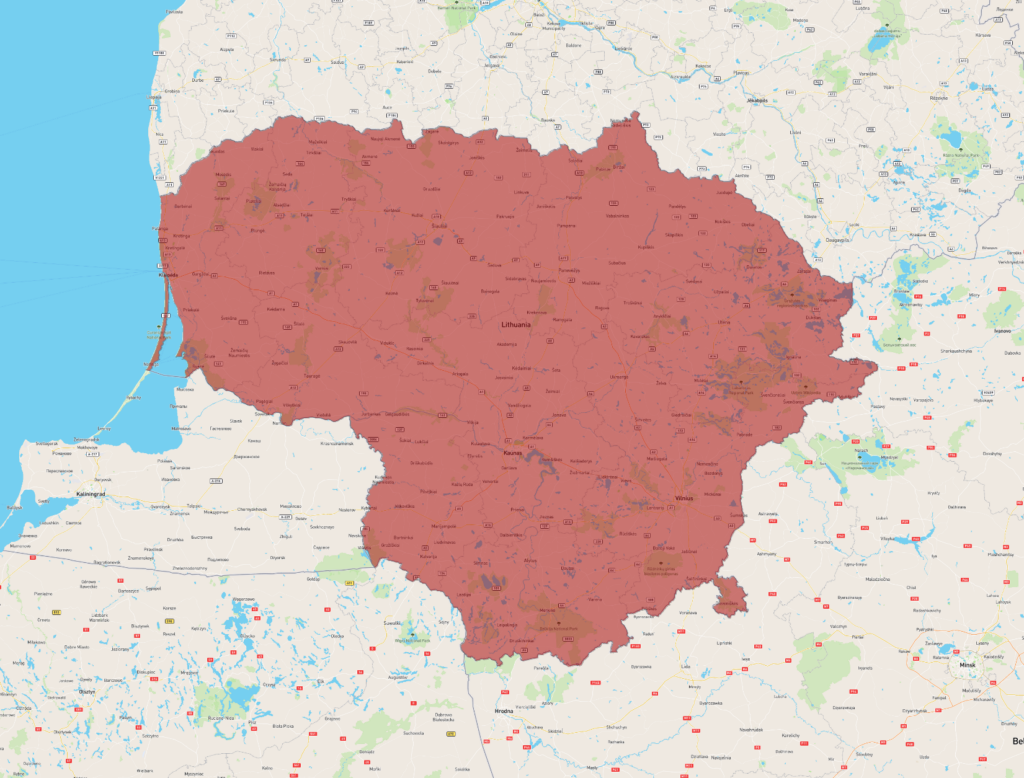
Lithuania, a small yet vibrant country in the heart of the Baltic region, has garnered attention in recent years for its cultural renaissance and strategic geopolitical significance. With a population of approximately 2.8 million, Lithuania has made remarkable strides since regaining independence from the Soviet Union in 1990. As Europe continues to navigate complex political dynamics, Lithuania has positioned itself as a key player, particularly concerning regional security and economic development.
Recent Developments
In recent months, Lithuania has been in the news for several reasons. One of the most pivotal events was its response to the ongoing conflict in Ukraine. Lithuania was among the first countries to offer military support to Ukraine, reaffirming its commitment to regional stability. This support includes providing anti-tank weapons and other military supplies to bolster Ukraine’s defense against Russian aggression.
Furthermore, Lithuania has taken a proactive stance in advocating for energy independence from Russian gas, which has been a significant issue for many European nations. The country has invested heavily in renewable energy sources, aiming to meet its energy demands sustainably and securely. It recently inaugurated a floating LNG terminal, which will serve as an alternative to Russian gas imports, showcasing its commitment to energy security.
Cultural Highlights
Lithuania is not just about politics and economics; its rich cultural heritage is a significant draw for tourists and scholars alike. The capital city, Vilnius, is renowned for its well-preserved medieval architecture and vibrant arts scene. In 2023, Vilnius was named a UNESCO City of Music, recognizing its thriving music culture and contribution to the global arts community.
The annual Vilnius Film Festival has become a cornerstone event, showcasing regional filmmakers and promoting cinematic dialogue. Moreover, the country celebrates its unique traditions, such as the midsummer festival, where locals participate in various cultural practices to honor nature and encourage prosperity.
Conclusion
In summary, Lithuania exemplifies resilience and innovation in a rapidly changing geopolitical landscape. Its strategic importance in regional security, coupled with its rich cultural offerings, makes Lithuania a fascinating subject of study and exploration. As it continues to develop its economy and cultural identity, Lithuania will undoubtedly remain significant on both the European and global stages. Future observers and travelers can expect a country that embodies both historical depth and modern ambition, paving the way for a dynamic future.