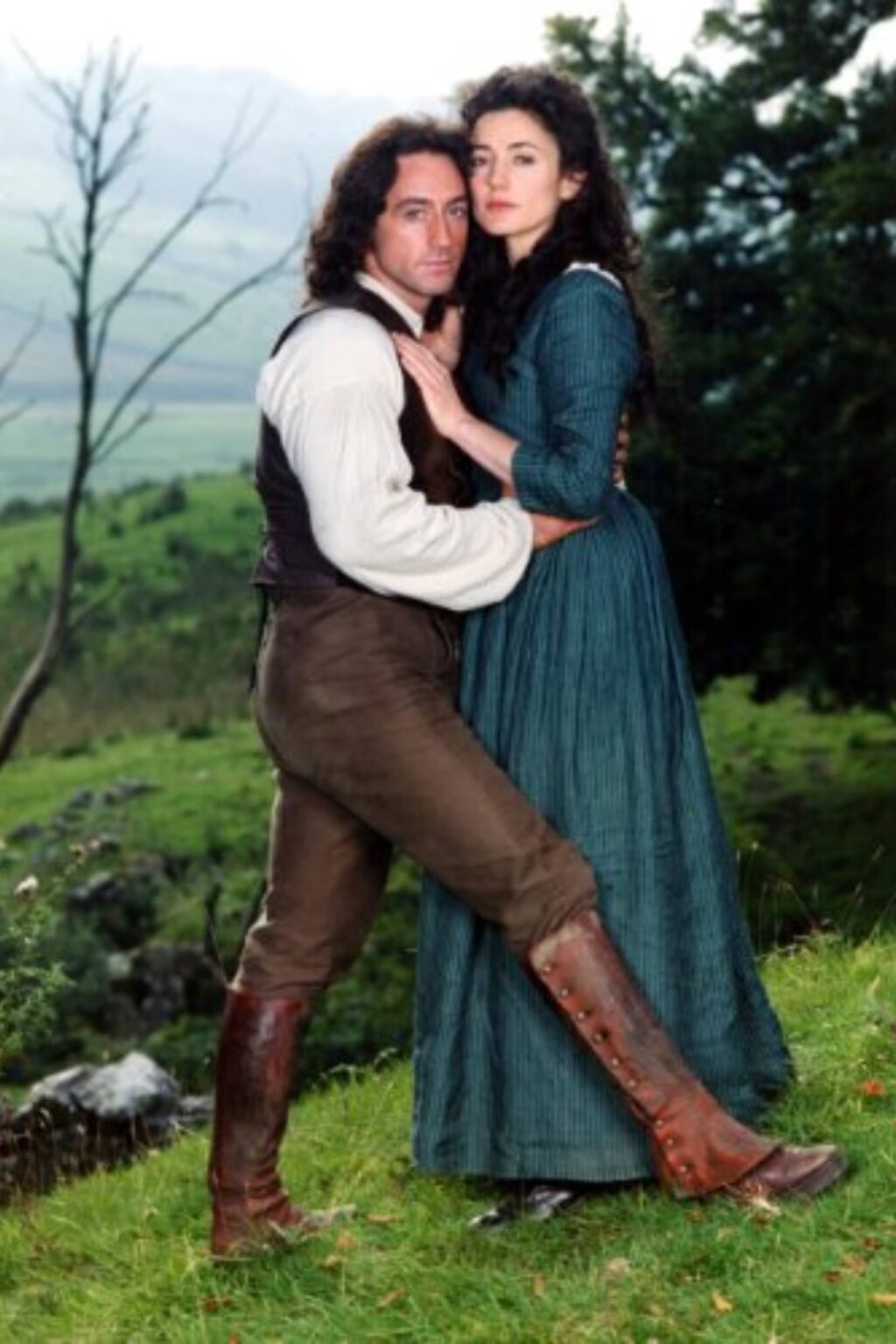
The Enduring Legacy of Wuthering Heights
Since its publication in 1847, Emily Brontë’s novel Wuthering Heights has captured the imagination of readers and filmmakers alike. The story of Heathcliff and Catherine Earnshaw is a tale of passion, revenge, and the dark side of love, which resonates across generations. Recently, film adaptations of this classic novel have sparked renewed interest, highlighting its relevance in contemporary cinema.
Recent Film Adaptations
In recent years, several filmmakers have sought to reinterpret Brontë’s masterpiece, bringing new perspectives and styles to the story. In 2022, a notable adaptation directed by actress and filmmaker Frances O’Connor was released, receiving critical acclaim for its fresh take on the characters and themes. O’Connor’s version aimed to delve deeper into the emotional landscape of the story, presenting a more nuanced exploration of mental health, particularly focusing on Catherine’s struggle with her identity and societal expectations.
Another adaptation, released in January 2023, was directed by renowned British director Andrea Arnold, known for her distinct naturalistic filmmaking style. Arnold’s adaptation sought to highlight the atmospheric elements of the Yorkshire moors, using the landscape as a character in its own right. These recent films have sparked conversations about how Wuthering Heights can be interpreted in modern contexts, with themes such as class struggles and the complexities of human relationships often taking center stage.
Impact on Audiences
The resurgence of Wuthering Heights on screen has not only reignited interest in Brontë’s work but has also opened discussions on the representation of characters in literature. Critics have noted that contemporary adaptations tend to humanize characters previously seen as villains, allowing audiences to empathize with their flaws and motivations.
Film scholar Dr. Emily Roach emphasized that these adaptations provide a vital platform for dialogue about societal change. “As we re-examine classic texts, we also re-evaluate the narratives we accept about love and revenge, and these films challenge traditional views in compelling ways,” she stated.
Conclusion
The adaptations of Wuthering Heights continue to evolve, reflecting the changing dynamics of society and the complexities of human emotion. As filmmakers explore new interpretations of this classic tale, audiences are invited to ponder its themes anew. Future adaptations will likely continue to engage with pressing cultural conversations, ensuring that Brontë’s timeless work remains relevant for years to come.