Introduction
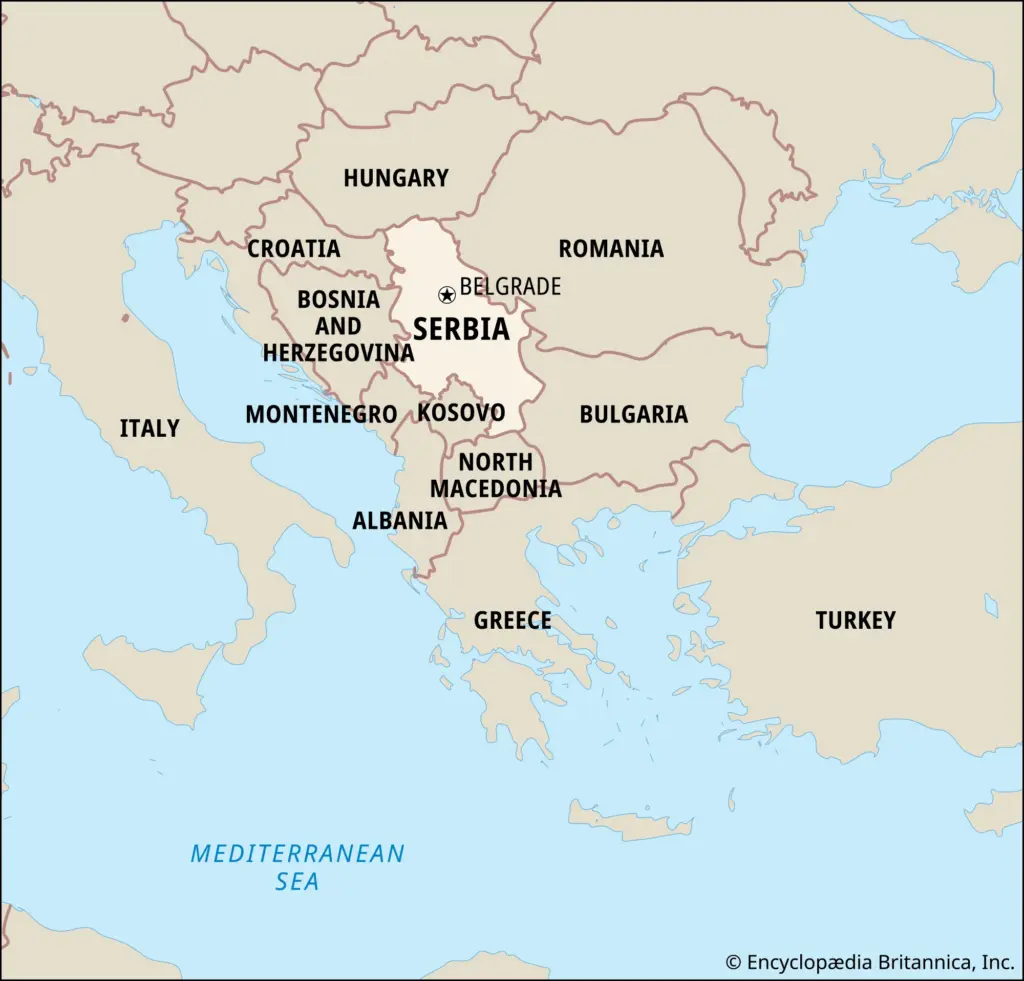
Serbia, a landlocked country in Southeast Europe, is known for its rich history, diverse cultural heritage, and strategic location. Recently, Serbia has been making headlines in international news, largely due to its complex political landscape, economic developments, and efforts to join the European Union. Understanding Serbia’s current situation is crucial for anyone interested in the geopolitics of the Balkans and European integration.
Current Events in Serbia
As of 2023, Serbia is at a pivotal point in its journey towards European integration. The country has been working closely with the European Union to meet the necessary requirements for membership, which includes conducting reforms in judicial independence, anti-corruption measures, and human rights protections. In recent months, Serbia has seen both progress and challenges in these negotiations, reflecting a mix of optimism and caution among its political leaders.
Political Developments
Serbia’s political landscape has been characterized by tensions, especially concerning its relationship with Kosovo, which declared independence in 2008. The dialogue between Belgrade and Pristina remains a hot topic, with the EU facilitating talks aimed at normalization of relations. Recent meetings have led to some positive developments, but a resolution still seems far off, complicating Serbia’s path toward EU membership.
Cultural Significance
On the cultural front, Serbia boasts a vibrant history that dates back to the Roman era. The country is home to numerous UNESCO World Heritage Sites, including the medieval Monastery of Studenica and the ancient city of Novi Pazar. This rich heritage contributes significantly to Serbia’s national identity and attracts tourists from around the globe. Festivals celebrating traditional music, cuisine, and art are prevalent throughout the year, showcasing the hospitality and spirit of the Serbian people.
Conclusion
In conclusion, Serbia stands at a crossroads of historical depth and modern challenges. Its ongoing quest for EU membership creates a dynamic political climate that affects not just Serbia but also the broader Balkan region. As Serbia continues to navigate its path toward integration while preserving its rich cultural identity, it remains a country of interest for both analysts and travelers alike. Observing how Serbia balances its historical legacies with contemporary aspirations will provide valuable insights into the future of Southeast Europe.