Introduction
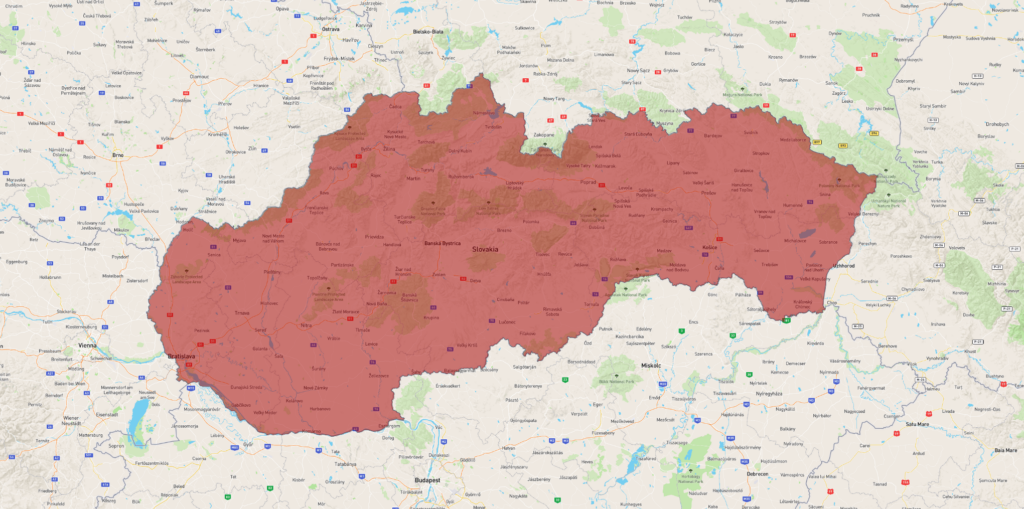
Slovakia, a picturesque nation located in Central Europe, has been gaining attention for its rich cultural heritage and dynamic economic landscape. With a population of over 5 million, it plays a significant role in the European Union as a member since 2004. The importance of Slovakia in contemporary Europe is enhanced by its strategic location, beautiful landscapes, and robust manufacturing sector. This article explores the key aspects of Slovakia, including recent developments that highlight its growing significance on the European stage.
Recent Developments in Slovakia
In the past year, Slovakia has faced various challenges and opportunities that have shaped its current political and economic environment. The country recently held parliamentary elections, which resulted in a shift in power with the rise of new political parties prioritizing economic reform and sustainability. These elections demonstrate the active political engagement of Slovak citizens, emphasizing the necessity for innovative policies amid a rapidly changing global economy.
Economically, Slovakia has maintained a steady GDP growth rate despite the broader challenges posed by the COVID-19 pandemic. Thanks to its strong automotive industry, which includes major players like Volkswagen and Kia, Slovakia has firmly established itself as the ‘Detroit of Europe.’ The automotive sector comprises a significant portion of the country’s manufacturing output, providing jobs and encouraging foreign investment.
Cultural Aspects and Tourism Potential
Culturally, Slovakia is celebrated for its diverse traditions, folklore, and stunning architecture. The capital, Bratislava, boasts a vibrant arts scene, historical sites, and a beautiful old town that attracts tourists from around the world. Recently, efforts to promote ecotourism and cultural heritage tourism have intensified as Slovakia aims to showcase its natural beauty, including the High Tatra mountains and numerous national parks.
In addition, Slovakia’s wine industry is gaining momentum, with an increasing number of wineries attracting both local and international visitors. The annual Wine Festival in Pezinok highlights the country’s winemaking heritage and offers visitors an opportunity to sample the best local wines.
Conclusion
Slovakia is steadily emerging as a noteworthy player in Europe, characterized by a balance of rich history and modern economic endeavors. With its political stability, strong manufacturing base, and potential for tourism growth, the country is poised for continued development. As Slovakia forges ahead, it is essential for international observers and investors to recognize the opportunities that this Central European nation presents, solidifying its place on the global stage.