Introduction
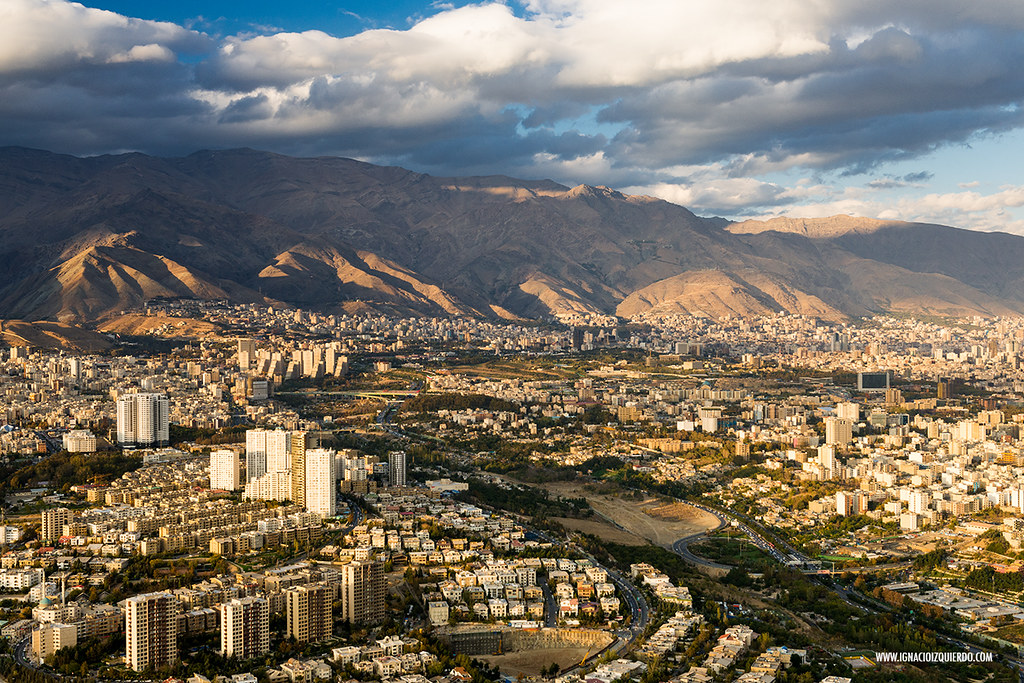
Tehran, the capital city of Iran, is a metropolis that straddles history and modernity. As the political, economic, and cultural center of the country, it plays a crucial role in shaping Iran’s identity on the global stage. With a population exceeding 8 million, Tehran stands out not only for its size but also for its rich tapestry of cultural heritage, bustling markets, and diverse demographics. Understanding Tehran is vital for grasping the contemporary context of Iran and the broader Middle Eastern region.
Current Events in Tehran
In recent months, Tehran has seen a surge in both cultural events and social movements. The city is preparing for the upcoming Tehran International Book Fair, which is set to attract publishers, authors, and avid readers from around the world. This annual event, scheduled for May 2024, reinforces Tehran’s status as a cultural hub and highlights the resilience of intellectual discourse in a time of political unrest.
At the same time, Tehran has been a focal point for demonstrations rooted in various socioeconomic issues. Citizens have expressed their concerns over inflation, housing, and civil rights, leading to significant gatherings in the city streets. These protests are indicative of an ongoing struggle for reform and transparency in governance, showcasing the vital role of Tehran as a stage for social change.
The Cultural Landscape of Tehran
Tehran’s cultural scene is as dynamic as its political landscape. The city boasts numerous museums, parks, and historical sites, with the Golestan Palace, a UNESCO World Heritage Site, being a prime example of Persian architecture. The contemporary art scene has also gained momentum, with galleries and art fairs showcasing the work of both established and emerging Iranian artists.
The culinary landscape in Tehran reflects its diverse population, offering everything from traditional Persian dishes to modern fusion cuisine. Areas like Tajrish Bazaar and Darband are popular spots for both locals and tourists, serving as vibrant hubs for food enthusiasts.
Conclusion
In conclusion, Tehran is a city of contrasts and convergence, where rich history meets modern challenges. Its central role in Iran’s political and cultural dynamism makes it a focal point for understanding the country’s past, present, and future. As the city navigates the complexities of social change, it also continues to nurture its cultural identity through events like the Tehran International Book Fair. For readers interested in Middle Eastern geopolitics and culture, Tehran serves as a significant case study, illustrating the intricate relationships between tradition, society, and governance.