Introduction
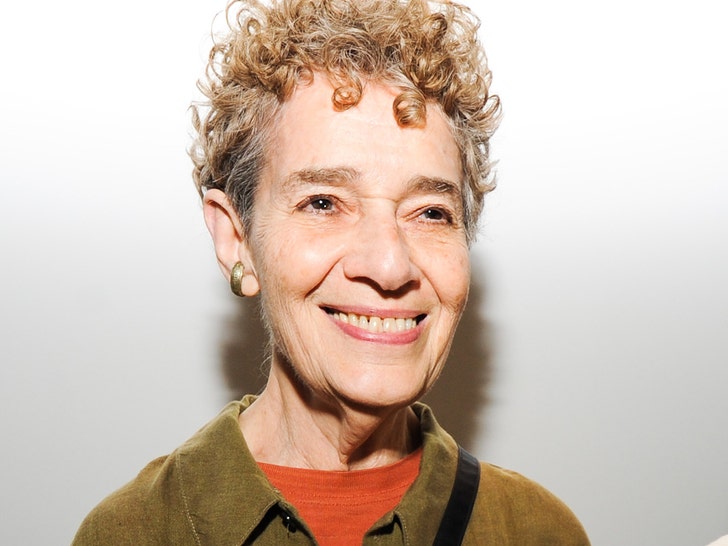
Jackie Ferrara, an influential contemporary artist, is known for her unique blend of architecture and sculpture. Born in 1935 in Detroit, Michigan, Ferrara’s works emphasize the relationship between form and space, making her a significant figure in both art and architecture. Her pieces are characterized by their spatial awareness and often reflect the social context of their surroundings. Understanding Ferrara’s contributions is essential for appreciating the evolution of contemporary art practices.
Career and Works
Ferrara’s career began in the 1960s, where she quickly gained recognition for her innovative approach to art. One of her first major installations was the “Terrace of the Sun” at the University of Notre Dame in 1970, which set the stage for her future works that would often entwine with architectural elements. Her pieces frequently utilize concrete and steel, materials that speak to both urban environments and natural landscapes. Notable works include her site-specific installations, such as the “Garden of Sculpture” in Connecticut and the “Sculpture for the City” in Los Angeles.
Recent Developments
In recent years, Ferrara has continued to influence the global art community through exhibitions and public installations. In 2023, she was featured in a retrospective exhibition at the Museum of Modern Art in New York, celebrating over five decades of her contributions to contemporary art. Critics have praised Ferrara for her ability to challenge traditional art boundaries and her commitment to exploring complex societal themes through her sculptures.
Impact and Significance
Ferrara’s works have transcended simple aesthetic value; they invite viewers to engage with the space around them. Through her sculptures, she encourages a dynamic interaction between the art and the observer, often prompting reflections on personal and collective experiences. Moreover, Ferrara has inspired a generation of artists to incorporate architectural theories into their artistic practices, expanding the definition of contemporary art.
Conclusion
Jackie Ferrara’s legacy is characterized by her innovative merging of art with architecture, and her works continue to challenge and inspire. As we look forward, her influence will likely extend beyond traditional galleries, emphasizing how art can interact with public spaces and enhance community engagement. For art enthusiasts and casual observers alike, Ferrara’s sculptures offer an opportunity to rethink their surroundings and appreciate the intricate dialogue between art and architecture.