Introduction to Skeleton Sport
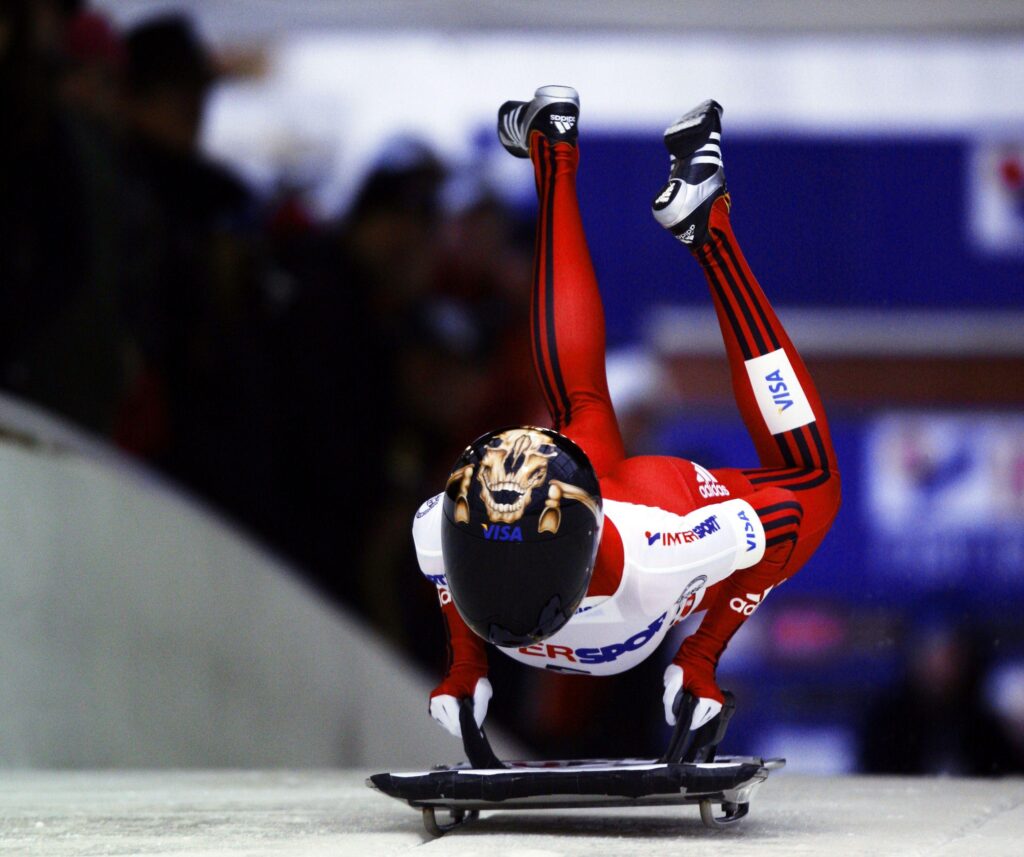
Skeleton sport, a thrilling winter Olympic event, involves participants racing down a narrow, twisting track while lying face down on a small sled. As one of the fastest sports on ice, skeleton attracts both athletes and spectators with its adrenaline-filled nature and requires a unique blend of speed, precision, and nerve. With its growing popularity in Canada, understanding the significance of this sport sheds light on what makes it so appealing.
Current Trends and Events
The 2026 Winter Olympics in Milan-Cortina is already generating excitement among skeleton enthusiasts as athletes prepare to qualify and showcase their skills. Canadian skeleton athletes continue to dominate the international scene, with Olympic champion Kaillie Humphries leading the charge. Her recent victories have ignited a new wave of interest in the sport, inspiring younger generations to take up sledding.
According to the Canadian Olympic Committee, participation in skeleton has increased, with more youth programs being funded and developed across the country. This surge in grassroots involvement not only helps build a deeper talent pool but also increases the sport’s visibility. Recent competitions in Lake Placid and Whistler have attracted large crowds, further testament to skeleton’s popularity.
Technology and Training Advancements
Modern training techniques and technology have transformed how skeleton athletes prepare. Innovations in sled design, safety gear, and data analytics have resulted in optimized performance and athlete safety. For instance, the use of wind tunnel testing allows athletes to perfect their aerodynamics and improve their speed on the track.
Additionally, athletes are employing comprehensive training regimens that incorporate strength training, mental preparation, and ice simulation, allowing them to hone their skills outside of the competition environment. This multidimensional approach, fostered by expert coaches and sports scientists, is pivotal to producing elite performers.
Conclusion: The Future of Skeleton Sport
As the sport evolves, it holds a promising future for upcoming athletes and fans alike. With significant support from national federations and increasing media coverage, skeleton is poised to grow both in Canada and worldwide. The excitement surrounding the upcoming Winter Olympics will likely elevate the sport’s profile further. This thrill-seeking winter sport invites anyone to experience the rush, whether as a competitor or as a spectator, ensuring its place in the hearts of many during the winter season.