Introduction: Why Bulgaria Matters
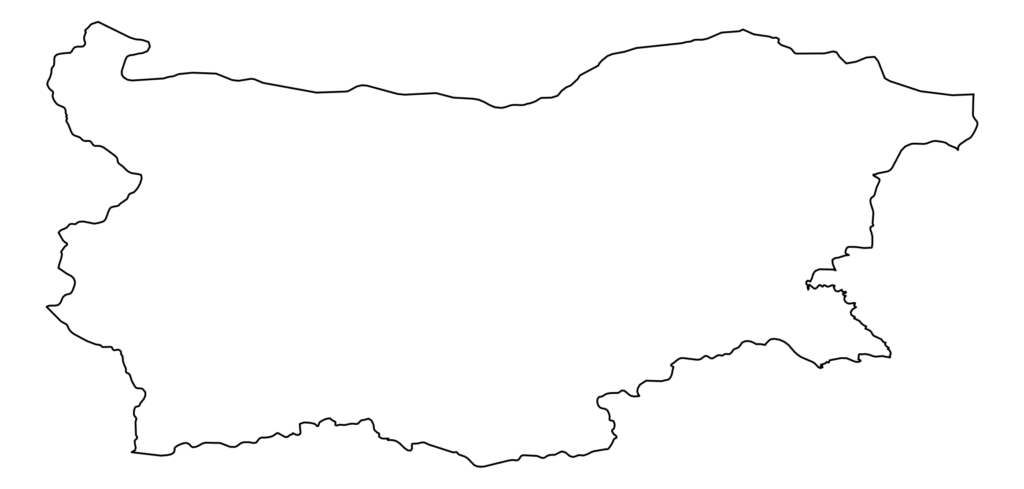
Bulgaria, located in Southeast Europe, is a country rich in history and cultural diversity. With strategic geographic importance as a crossroads between Europe and Asia, Bulgaria has been influenced by various cultures throughout its history, making it a significant player in the region. Recently, Bulgaria has been gaining attention for its vibrant cities, stunning landscapes, and burgeoning tourism industry, highlighting the need to understand its past and present.
A Brief History
The history of Bulgaria dates back to the establishment of the First Bulgarian Empire in 681 AD, which was one of the first states in Europe. The country has a fascinating heritage that includes influences from the Thracians, Romans, Byzantines, and Ottomans. The nation experienced considerable upheaval in the 20th century, transitioning from a monarchy to a communist regime after World War II, before emerging as a democracy post-1989.
Cultural Significance
Bulgaria is known for its cultural traditions, including unique folk music and dance. The festival of ‘Kukeri’, which involves elaborate costumes and rituals, aims to chase away evil spirits and celebrate the arrival of spring. Moreover, Bulgarian cuisine, characterized by its variety and rich flavors, is treasured, with dishes such as banitsa and shopska salad holding a significant place in locals’ lives.
Modern Developments
In recent years, Bulgaria has been positioning itself as an attractive destination for tourists, owing to its ancient ruins, stunning Black Sea coastline, and ski resorts in the Balkan mountains. The capital city, Sofia, is becoming increasingly popular, featuring modern amenities alongside historical sites. Additionally, Bulgaria’s entry into the European Union in 2007 has boosted its economy and increased foreign investment, although challenges such as corruption and economic inequality remain.
Conclusion: The Path Forward
As Bulgaria continues to navigate its modern challenges, it remains a country that embodies a rich historical legacy intertwined with a future full of potential. For readers and travelers alike, understanding Bulgaria’s past provides invaluable insight into the nation’s current identity and the factors driving its growth. With increasing cultural events and a commitment to preserving its heritage, Bulgaria is slated to remain a point of interest on the European map for years to come.